

Rocket Lab is charging full speed ahead into a new era of high-cadence space access! This week delivered massive updates across the board—from the Neutron team’s breakthrough milestones at the Maryland factory to the successful 98th Electron launch and a brand-new state-of-the-art test facility designed to slash stack testing times in half. In this deep dive, we unpack the technical details, real numbers, engineering breakthroughs, and what these advances mean for the future of reusable rocketry and constellation deployments. Get ready for an exciting look at how Rocket Lab is scaling production and testing to meet skyrocketing demand.
Key Features & Advantages
- ✅ World’s largest carbon composite reusable rocket (Neutron) progressing rapidly inside the dedicated Maryland factory
- ✅ New Propulsion Test Complex facility cuts Electron and HASTE stack test times from 2–3 days to under 1 day
- ✅ Stainless steel, water-cooled exhaust ramp engineered for extreme heat and repeated high-force testing
- ✅ All-weather testing capability ensures predictable cadence regardless of rain, wind, or shine
- ✅ Double the testing capacity to support more than 100 launches already in backlog
- ✅ Proven Electron reliability: 98th launch, 19th of the year, 100% success on third HawkEye 360 mission
- ✅ Integrated static fire (stack) testing of Rutherford engines, plumbing, and avionics as a complete system before pad operations
Technical Specifications
- Neutron: Largest carbon composite structure ever developed for a reusable orbital rocket; full-scale production now underway at the Neutron Factory in Maryland
- Electron / HASTE stack testing: Current cycle 2–3 days; new facility targets <1 day per integrated static fire
- New test pad: Stainless steel water-cooled ramp replacing heritage high-temperature ceramic design for superior thermal absorption and durability under repeated Rutherford engine exhaust loads
- Facility location: Within Rocket Lab’s existing Propulsion Test Complex; designed for high-cadence operations supporting both Electron and HASTE vehicles
- Launch cadence support: Explicitly engineered to enable increased flight rate in 2027 and beyond
- Backlog: More than 100 launches confirmed and growing
- Recent mission metrics: Electron Flight 98 from LC-1 – first-attempt success, 19th mission of 2026, third consecutive 100% success for HawkEye 360 constellation expansion
- Testing philosophy: Full integrated stack fire (engines + plumbing + avionics) performed on every Electron and HASTE vehicle prior to wet dress rehearsal and launch
In-Depth Technical Analysis
Neutron Factory Momentum: Carbon Composite Reusability at Scale
The Neutron team is working around the clock inside Rocket Lab’s dedicated Neutron Factory in Maryland, hitting major structural and systems milestones on the world’s largest carbon composite reusable rocket. Carbon composite construction delivers an exceptional strength-to-weight ratio critical for reusability while enabling rapid manufacturing iterations. Recent progress videos from the factory floor reveal advanced tooling, large-scale layup operations, and integration activities that move Neutron closer to its debut flight. This factory-centric approach allows Rocket Lab to control every aspect of the vehicle’s architecture—from primary structures to propulsion integration—setting the stage for a medium-lift workhorse capable of frequent, cost-effective missions.
High-Cadence Testing Infrastructure Overhaul
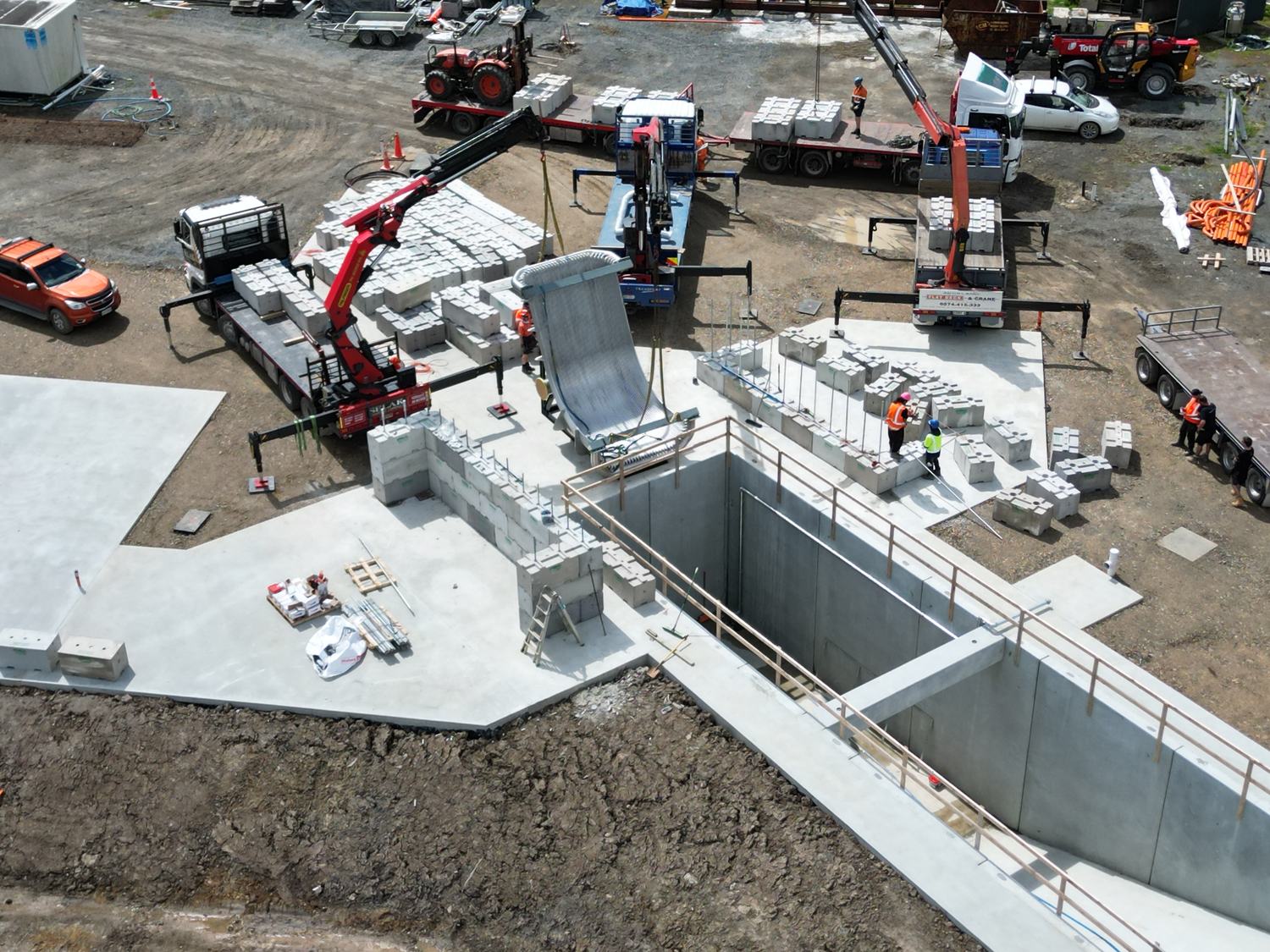
With more than 100 launches already on the books, Rocket Lab is aggressively expanding its Propulsion Test Complex. The new stack test facility is purpose-built to eliminate bottlenecks. Traditional static fires of Electron and HASTE stages currently require 2–3 days of setup, firing, cooldown, and data analysis. The upgraded pad compresses that timeline to less than a single day through optimized workflows, improved instrumentation, and a far more robust exhaust management system.
At the heart of the upgrade is a stainless steel, water-cooled ramp engineered to absorb the extreme thermal and acoustic loads generated by multiple Rutherford engines firing simultaneously. Unlike the previous high-temperature ceramic ramp, the new design is built for repeated high-intensity use without degradation. All-weather capability further removes schedule uncertainty—tests can proceed on schedule whether conditions are clear, rainy, or windy. The net result is doubled testing capacity and a clear path to higher launch rates in 2027.
Electron’s Proven High-Reliability Architecture
Every Electron and HASTE vehicle that has flown has undergone a full integrated stack test—Rutherford engines ignited, propellant plumbing pressurized, and avionics exercising flight-like sequences—before ever reaching the pad. This rigorous ground verification is a cornerstone of Rocket Lab’s reliability culture and has underpinned the vehicle’s growing flight heritage. The 98th Electron mission from Launch Complex 1 exemplified this maturity: first-attempt liftoff, successful constellation expansion for HawkEye 360, and a perfect track record on the customer’s third dedicated flight.
Latest News & X Highlights
Rocket Lab shared an exclusive look inside the Neutron Factory this week, showcasing the intense pace of work on the carbon composite reusable rocket:
Simultaneously, the company detailed the construction of its new high-cadence stack test facility, emphasizing the dramatic reduction in test time and the robust stainless steel water-cooled ramp:
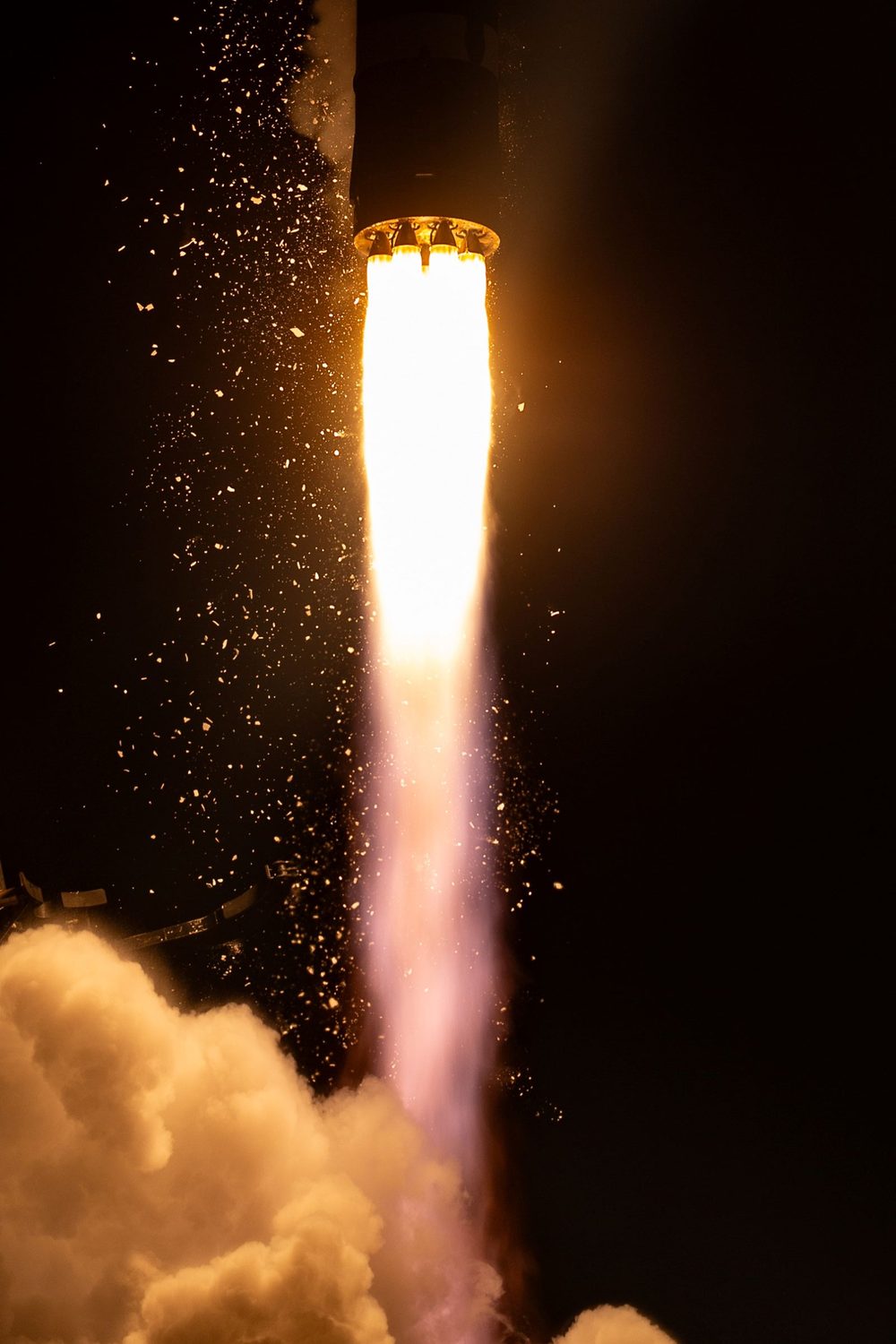
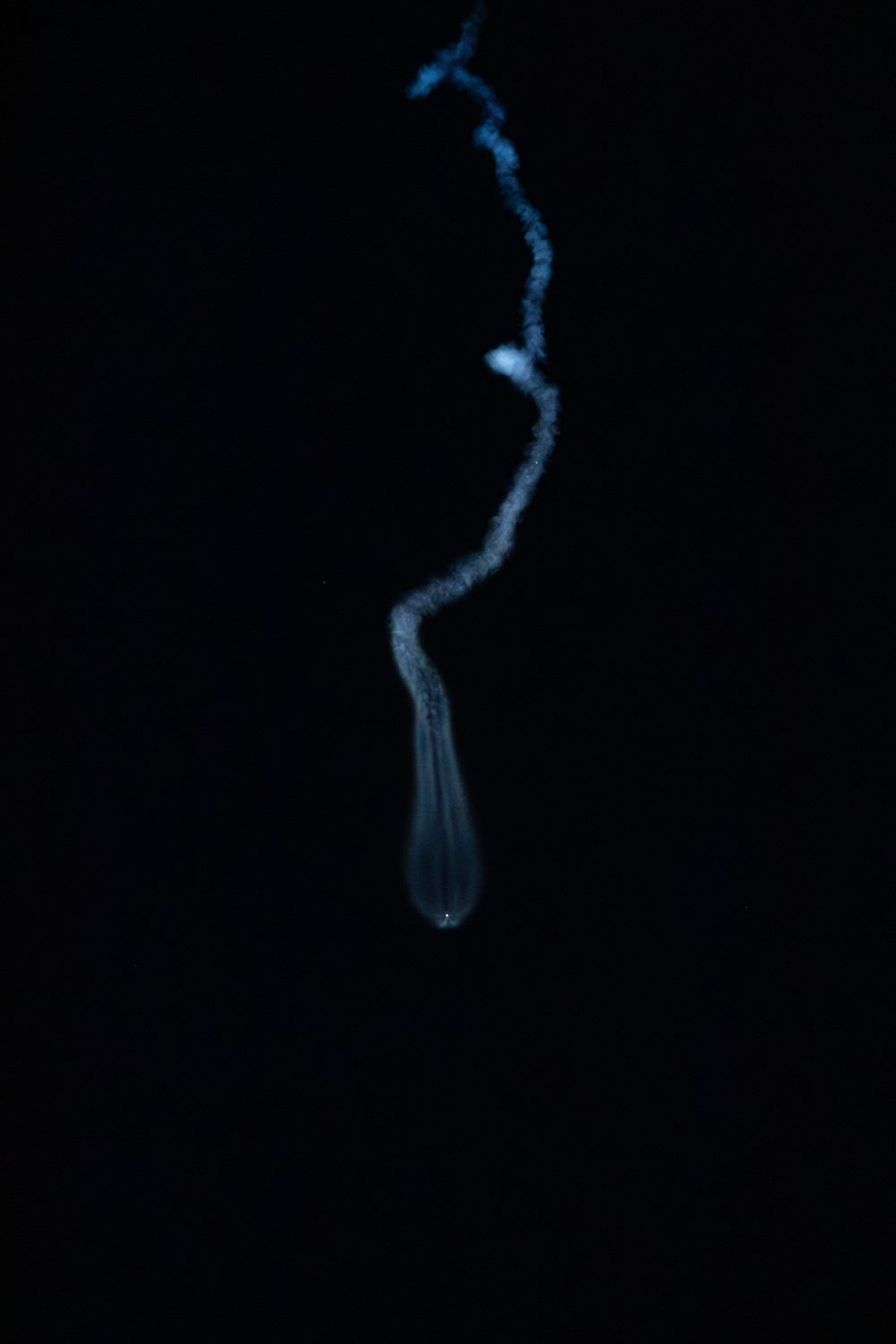
And just hours earlier, Electron Flight 98 lifted off successfully from LC-1 on the first attempt, delivering another constellation expansion for HawkEye 360 and marking the 19th mission of the year:
Real-world Applications & Implications
These concurrent advances—Neutron factory progress, accelerated stack testing, and continued Electron reliability—directly translate into greater access to space for commercial, civil, and national security customers. Constellation operators like HawkEye 360 benefit from rapid, dedicated launches that expand RF sensing coverage with high mission assurance. The new test facility’s ability to support higher throughput means Rocket Lab can clear its growing backlog faster while maintaining the rigorous verification that has defined Electron’s track record.
Looking further ahead, Neutron’s carbon composite architecture and the parallel investment in test infrastructure position Rocket Lab to compete aggressively in the medium-lift market. Faster iteration cycles on the ground enable more frequent flight opportunities, lower marginal costs through reusability, and the flexibility to respond to evolving customer manifests. In practical terms, this means more satellites in orbit sooner, more responsive space capabilities, and a more resilient commercial launch ecosystem.
Final Verdict
Rocket Lab is executing on every front. The Neutron team is turning carbon composite ambition into tangible hardware inside a dedicated factory. The new stack test facility is engineered to remove the last major bottleneck on Electron and HASTE cadence. And Electron itself continues to deliver flawless missions—98 flights and counting. With more than 100 launches already booked and infrastructure scaling to match, the path to a 2027 surge in flight rate looks clearer than ever. This is how you build a high-cadence space company: relentless engineering, smart infrastructure investment, and proven reliability. The next chapter of Rocket Lab’s story is already taking shape—and it is going to be spectacular.