

SpaceX has just dropped a bombshell with the official unveiling of the AI1 satellite – the first-generation powerhouse designed for AI compute at scale in orbit. This isn’t just another satellite; it’s a game-changing platform combining massive solar power, advanced thermal management, and interchangeable high-performance compute modules. Paired with the ambitious Terafab factory plans, SpaceX is positioning itself to deliver terawatts of AI capability beyond Earth’s limits. In this in-depth review, we break down the specs, technical details, X highlights, and future implications.
Key Features & Advantages
- ✅ 150 kW Peak Compute Payload – Blazing AI performance powered directly by space solar.
- ✅ 120 kW Average Compute Payload with 70 kW per ton efficiency.
- ✅ Interchangeable Compute Providers – Supports Nvidia (Rubin/GB300), TPUs, and more.
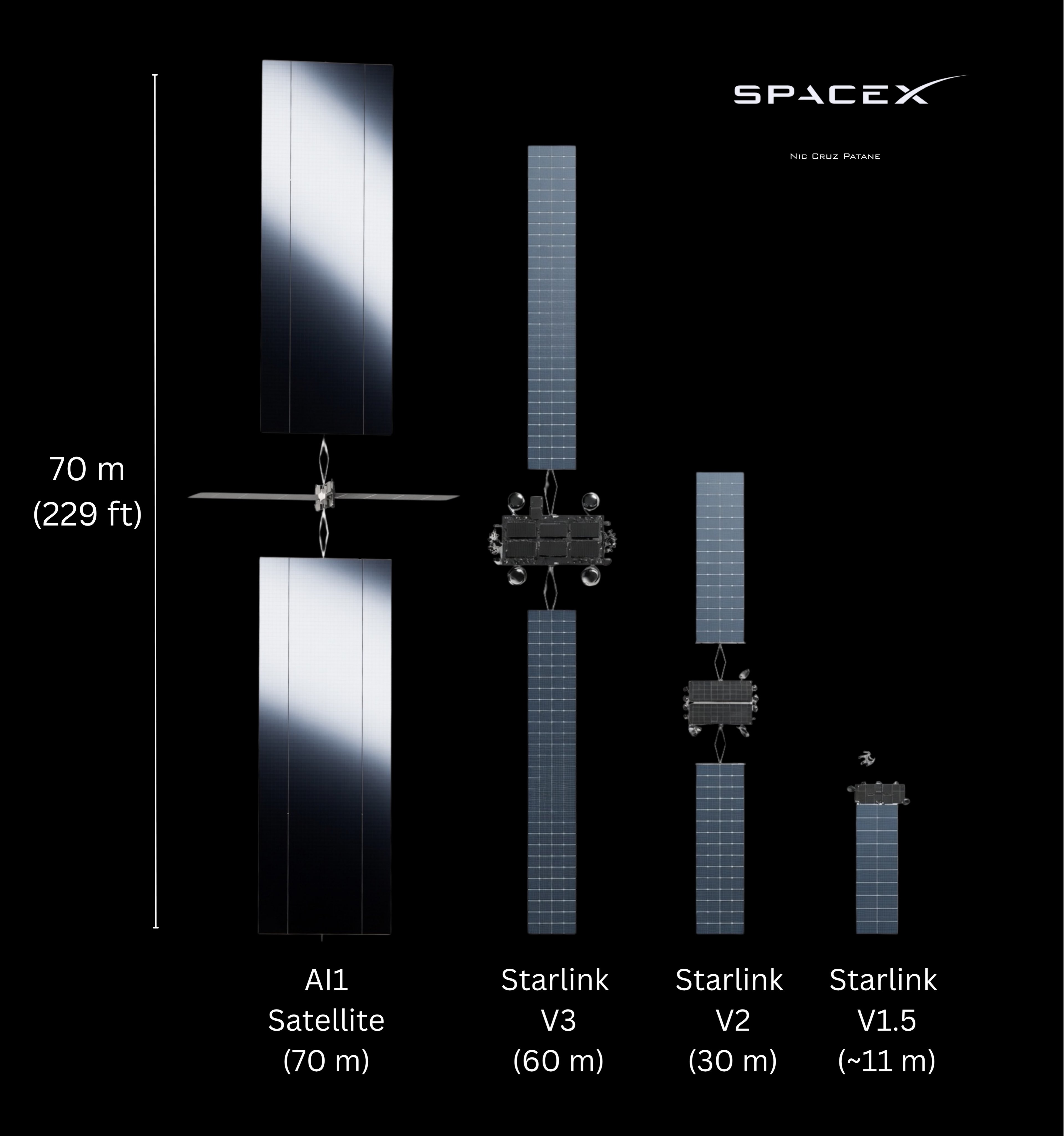
- ✅ Gigantic Deployable Systems – 70m wingspan solar arrays and 110 m² liquid radiators.
- ✅ Simpler Design Than Starlink – Easier manufacturing, leveraging proven Starlink V3 tech.
- ✅ Low-Latency Laser Links – Terabit connectivity with ~3ms ground latency via Starlink integration.
These features make AI1 a true pioneer in space-based data centers, solving power and cooling bottlenecks that plague terrestrial AI infrastructure.
Technical Specifications
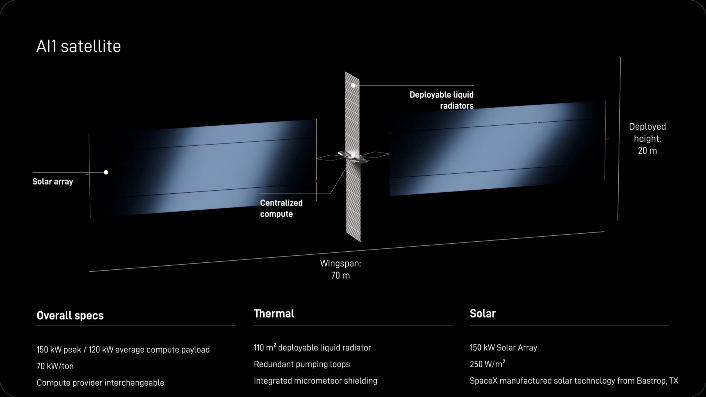
- Compute: 150 kW peak / 120 kW average payload, 70 kW per ton.
- Dimensions: 70-meter wingspan, 20-meter deployed height.
- Solar Power: 150 kW array at 250 W/m² using SpaceX-manufactured cells from Bastrop, Texas.
- Thermal System: 110 m² deployable liquid radiator with redundant pumping loops and micrometeoroid shielding.
- Architecture: Centralized compute module, large deployable solar arrays, deployable radiators, laser interlinks.
- Compatibility: Nvidia Rubin/GB300 reference designs, TPUs, interchangeable compute.
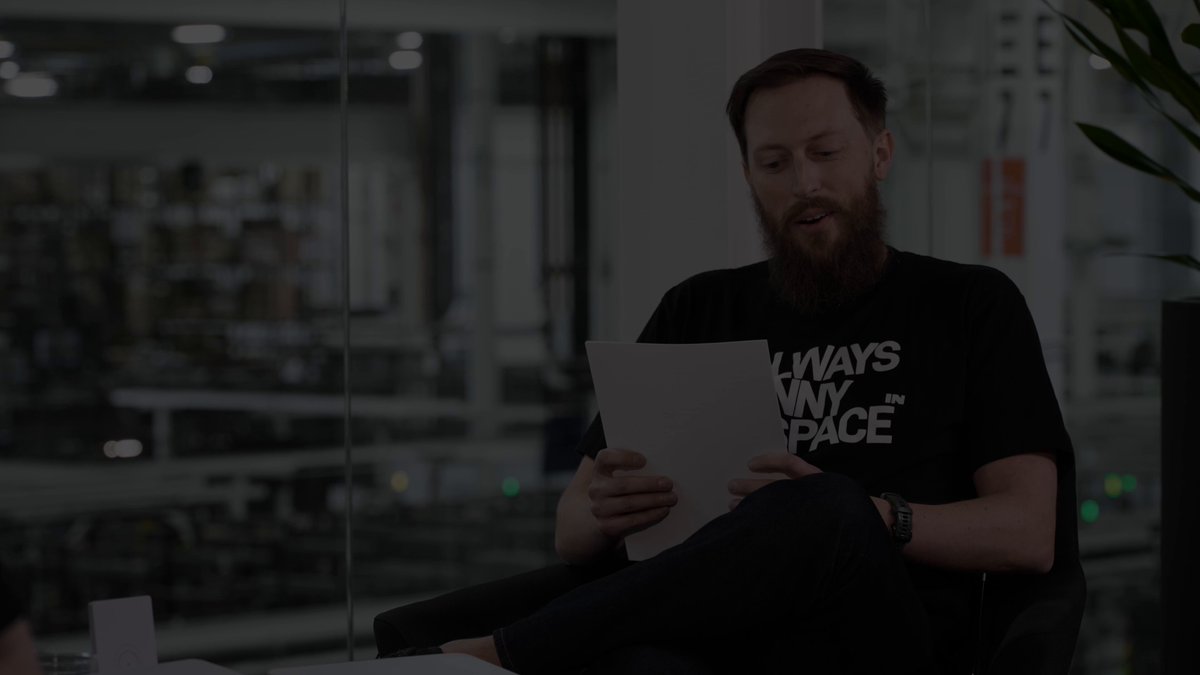
Elon Musk noted the AI satellite is much simpler than Starlink, focusing on solar, basic laser links, and compute without complex antennas.
In-Depth Technical Analysis
Background & Design Philosophy
SpaceX’s AI1 builds on Starlink expertise but optimizes for AI workloads. By moving compute to orbit, it taps unlimited solar power and radiative cooling in the vacuum of space – eliminating major terrestrial constraints like grid power and water usage for cooling.
Power & Thermal Breakthroughs
- Massive 150 kW solar arrays provide abundant clean energy.
- Deployable 110 m² liquid radiators handle heat rejection efficiently.
- Redundant systems ensure reliability in harsh space environment.
Manufacturing Scale: The Terafab
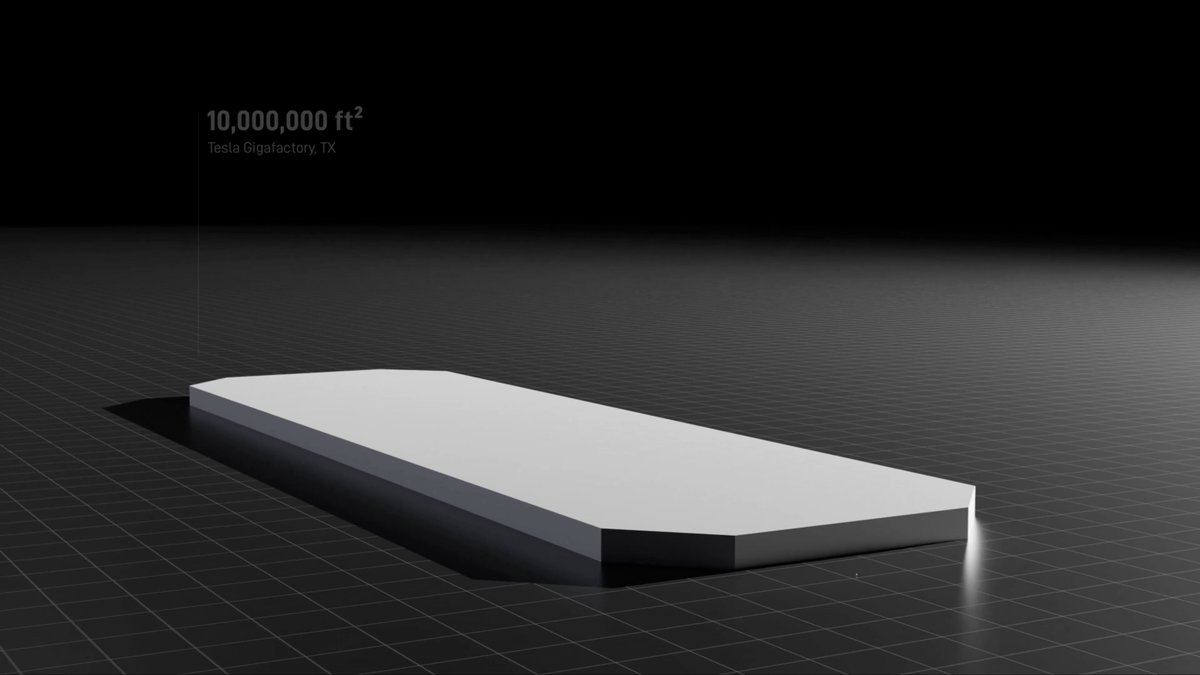
To fuel this orbital AI infrastructure, SpaceX/Tesla Terafab will span 100 million square feet – 10x larger than Giga Texas. Target output: 1 TW/year of compute capacity, far exceeding current global AI chip production.
Latest News & X Highlights
The community is buzzing with excitement over these revelations. Here’s what key voices are saying:
Elon highlighted rapid scaling: from 1 GW/year by end of next year to 10 GW, then 100 GW, aiming for terawatts. Nvidia Rubin chips are first in orbit next year.
Real-world Applications & Implications
- AI Hyperscaling: Overcome power/cooling limits for next-gen models.
- Global Connectivity + Compute: Low-latency AI services worldwide via Starlink.
- Clean Energy Leverage: Solar-powered orbital data centers reduce terrestrial environmental impact.
- Future Infrastructure: Foundation for space-based economy, supporting Mars missions and beyond.
This technology could transform industries from autonomous systems to scientific research, all while pushing humanity toward multi-planetary status.
Final Verdict
The SpaceX AI1 satellite represents a bold leap into the future of AI infrastructure. With its impressive technical specs, simpler-yet-more-powerful design, and backing from the Terafab mega-factory, it’s poised to deliver unprecedented compute capabilities. The road ahead is challenging, but SpaceX’s track record inspires massive confidence. Orbiting AI is no longer sci-fi – it’s the next frontier, and it’s happening now. The future of compute is in space, and it’s going to be epic! 🌌