

Tesla just dropped one of the most practical charging infrastructure breakthroughs of the year. The official Tesla Charging account has revealed the first Accordion Supercharger units rolling out of the factory and the first pre-assembled Megachargers specifically built to support the Tesla Semi ramp. These are not concept renderings or pilot installations. These are production-ready, factory-assembled systems designed for speed, cost reduction, and massive scale. In this deep technical review we break down every announced number, the engineering logic behind the Accordion design, the 1.2 MW Megacharger architecture, and what this means for the next wave of Tesla Supercharger and Semi depot deployments worldwide.
Key Features & Advantages
- ✅ Factory pre-assembled Supercharger and Megacharger units that arrive ready for rapid installation
- ✅ Accordion Supercharger packs 16 stalls per single truck shipment
- ✅ 20% lower installation cost compared with traditional on-site assembly
- ✅ Instant commissioning once the unit is placed and connected
- ✅ Highest quality control through controlled factory environment instead of field construction
- ✅ Solution specifically engineered for sites where curb-side installation is impossible (between parking spaces)
- ✅ First pre-assembled Megachargers already deployed with V4 cabinet architecture
- ✅ Up to 1.2 MW power delivery per post to fully support Tesla Semi charging needs
Technical Specifications
- Accordion Supercharger configuration: Fully pre-assembled multi-stall unit designed for placement between parking spaces
- Shipment density: 16 complete stalls per single truck load
- Installation cost reduction: Approximately 20% lower total installed cost versus conventional Supercharger builds
- Commissioning time: Instant once power and network connections are made
- Quality process: 100% factory assembly and testing prior to shipment
- Megacharger architecture: V4 cabinet paired with two charging posts
- Power capability: Up to 1.2 MW continuous per post
- Target application: Tesla Semi depot and high-power commercial charging sites
- Deployment status: First pre-assembled Megacharger units already on the ground and operational
In-Depth Technical Analysis
The Accordion Supercharger Concept
For years Tesla has pursued the goal of turning Supercharger installation into a highly repeatable, factory-driven process. Traditional Supercharger sites require significant on-site civil work, concrete foundations, individual pedestal placement, and lengthy commissioning. The Accordion Supercharger changes that equation. By designing a complete multi-stall assembly that can be folded or compactly packaged for transport, Tesla can now ship sixteen finished stalls on a single truck. Once on site the unit is unfolded or positioned between parking rows, connected to power and data, and immediately brought online.
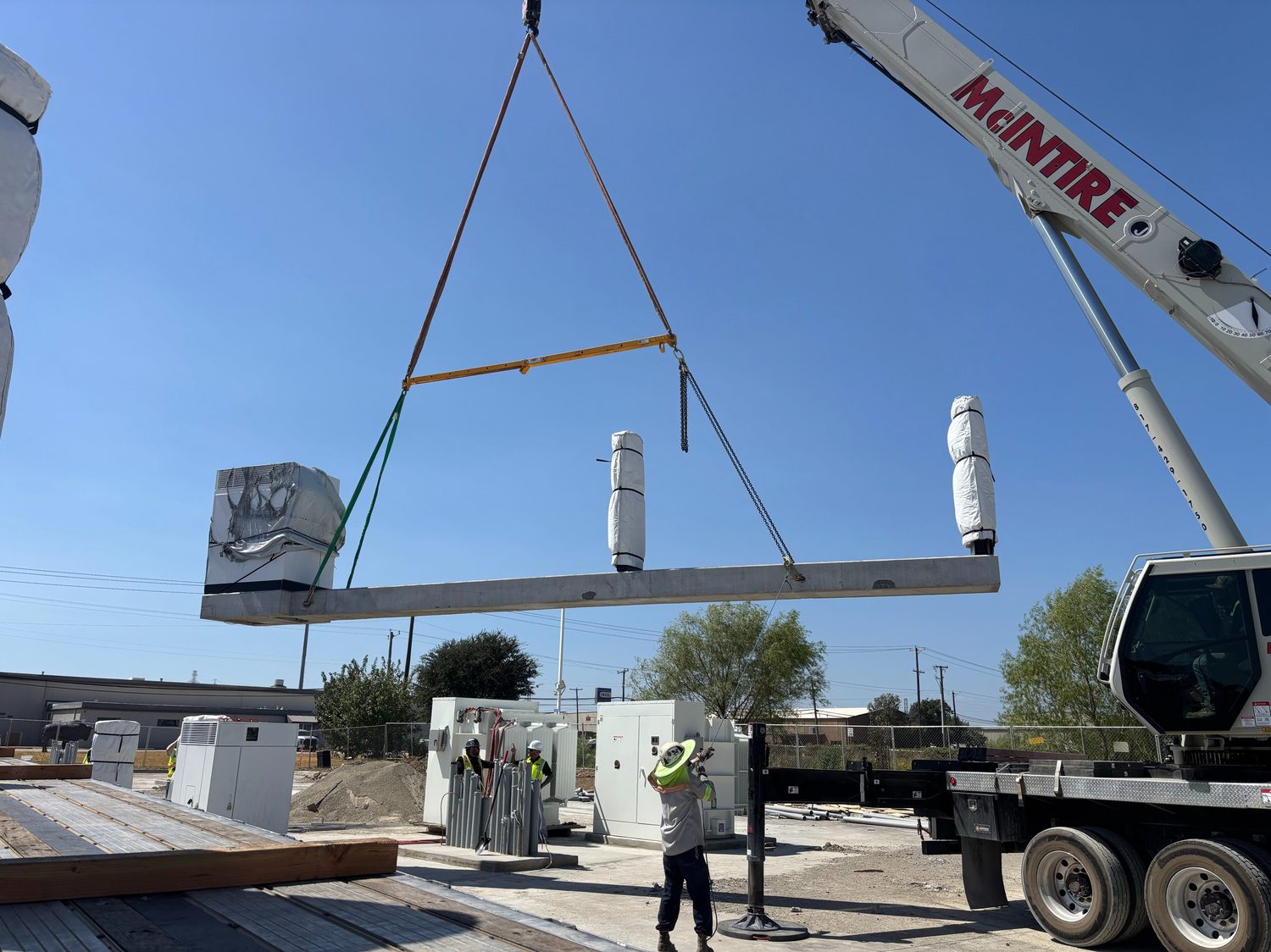
This approach eliminates the majority of field labor variability. Every cable, connector, cooling loop, and structural member is assembled and tested under controlled factory conditions. The result is both higher reliability and dramatically faster site activation. The 20% cost reduction is a direct consequence of reduced labor hours, fewer weather-related delays, and standardized components that no longer need custom field fabrication.
Megacharger Pre-Assembly for the Semi
Parallel to the Accordion Supercharger, Tesla has begun deploying the first factory-built Megacharger units. Each unit consists of a V4 power cabinet feeding two high-power posts. The stated capability of 1.2 MW per post is a critical number for the Tesla Semi. At that power level a Semi can recover significant range in a short stop, making long-haul operations commercially viable without excessive dwell time.
By pre-assembling the entire Megacharger package, Tesla removes the need for complex on-site high-voltage assembly and testing. The units arrive essentially plug-and-play, ready to support the Semi production ramp. This is infrastructure designed at the same industrial scale as the vehicle itself.
Latest News & X Highlights
Tesla Charging officially introduced the Accordion Supercharger with a clear statement of intent and hard numbers:
Just hours later the same account confirmed that the first pre-assembled Megachargers are already deployed and ready for the Semi:
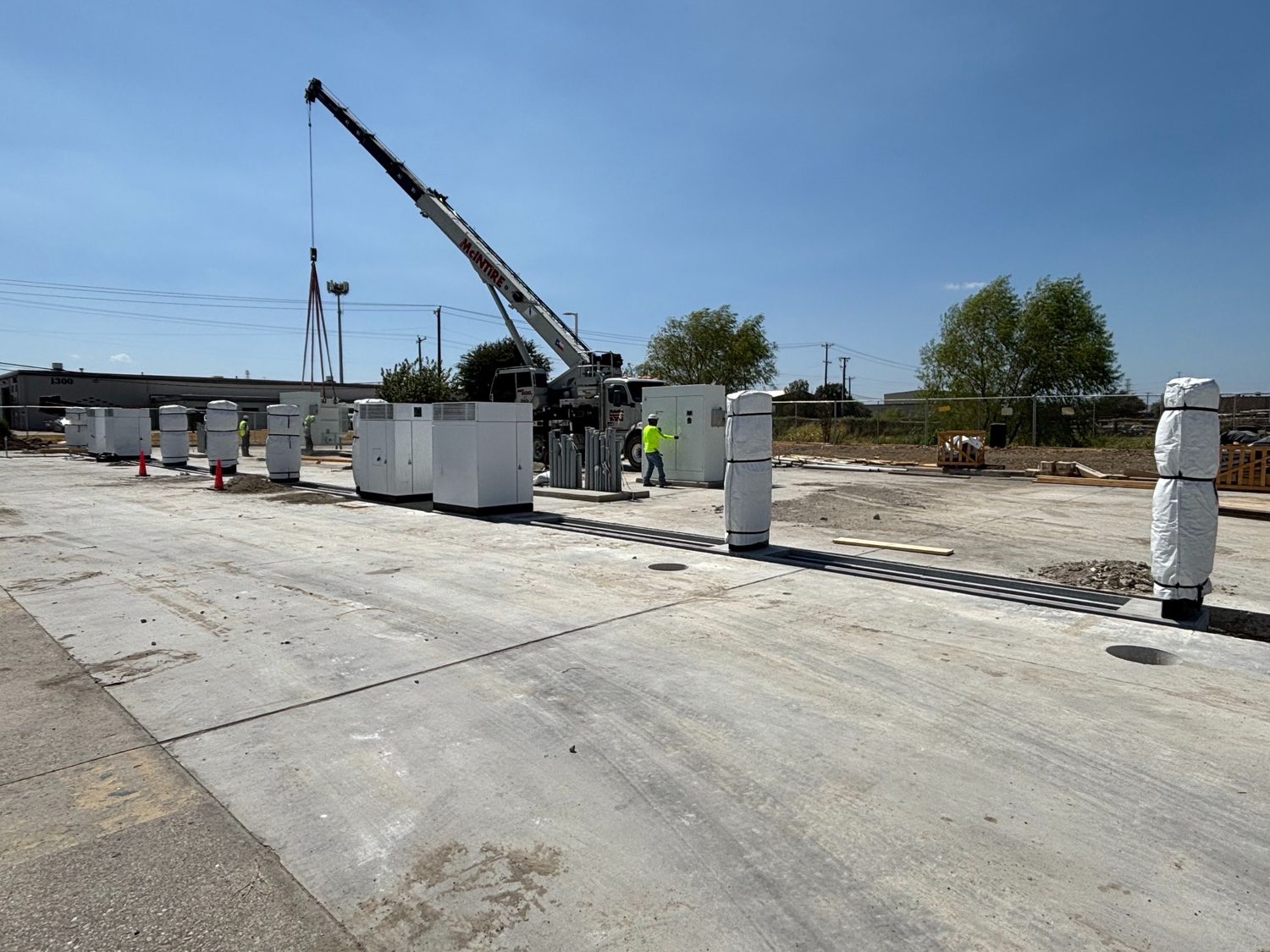
These two posts represent the public confirmation that Tesla’s long-stated goal of factory-built Supercharger and Megacharger systems has moved from development into active deployment.
Real-world Applications & Implications
The Accordion Supercharger immediately unlocks sites that were previously difficult or impossible. Urban lots, shopping centers, and constrained parking structures where curb-side installation is blocked can now receive high-density Superchargers between stalls. Faster deployment means more stalls online sooner, reducing wait times and supporting the growing global fleet of Tesla vehicles.
For the Tesla Semi the implications are even more significant. Megawatt-scale charging has always been the missing link for heavy-duty electric trucking. With 1.2 MW posts already arriving as complete pre-assembled units, Tesla can stand up Semi depots at a pace that matches vehicle production. Logistics companies evaluating the Semi can now see a clear path to scalable charging infrastructure rather than waiting for custom high-power installations.
Across both products the common theme is industrialization of charging hardware. Tesla is applying the same manufacturing philosophy that transformed vehicle production to the energy infrastructure that powers those vehicles. Lower cost, higher quality, and radically shorter installation cycles form a powerful feedback loop that accelerates the entire electrification timeline.
Final Verdict
The Accordion Supercharger and the first pre-assembled Megachargers are not incremental upgrades. They represent a fundamental shift in how Tesla builds and deploys charging infrastructure. Sixteen stalls per truck, twenty percent lower cost, instant commissioning, and 1.2 MW posts ready for the Semi are the kind of concrete engineering wins that move the industry forward. As these systems proliferate, Supercharger networks will expand faster and Semi depots will come online in lockstep with vehicle deliveries. The future of high-power charging just became a lot more industrial, a lot more scalable, and a lot more exciting.