

The autonomous driving revolution just accelerated across Europe. Tesla has officially secured approval for Full Self-Driving (Supervised) in the Czech Republic, marking the seventh European nation to green-light the technology ahead of the critical EU-wide vote. With rollout set to begin soon, this milestone pushes the collective “YES” votes to 11.81% of the required 65% threshold—and the momentum is only building. Here’s everything you need to know about the technical leap, the regulatory path, and why Czechia’s decision matters for the future of robotaxis and supervised autonomy across the continent.
Key Features & Advantages
- ✅ FSD Supervised now legally approved for public roads in Czechia
- ✅ Seventh European country to authorize the system before the formal EU vote
- ✅ Immediate pathway for software rollout to eligible Tesla vehicles
- ✅ Builds critical political and technical momentum toward continent-wide approval
- ✅ Demonstrates Tesla’s progressive regulatory strategy of securing national approvals first
- ✅ Expands the real-world data collection footprint in Central Europe
- ✅ Positions Czech drivers among the first in the region to experience supervised autonomy
Technical Specifications
- System Name: Full Self-Driving (Supervised) – Version currently rolling out in approved European markets
- Hardware Requirement: Hardware 3, Hardware 4, or Hardware 5 (AI5) equipped Tesla vehicles
- Operational Domain: Public roads within Czechia under supervised conditions (driver must remain attentive and ready to intervene)
- Sensor Suite: Tesla Vision (camera-based) – 8 external cameras providing 360° coverage; no reliance on radar or lidar for core FSD functionality
- Compute Platform: Custom Tesla AI inference hardware (HW3 / HW4 / HW5) running neural networks trained on billions of real-world miles
- Regulatory Status: National approval granted 21 September 2026; EU-wide vote still pending
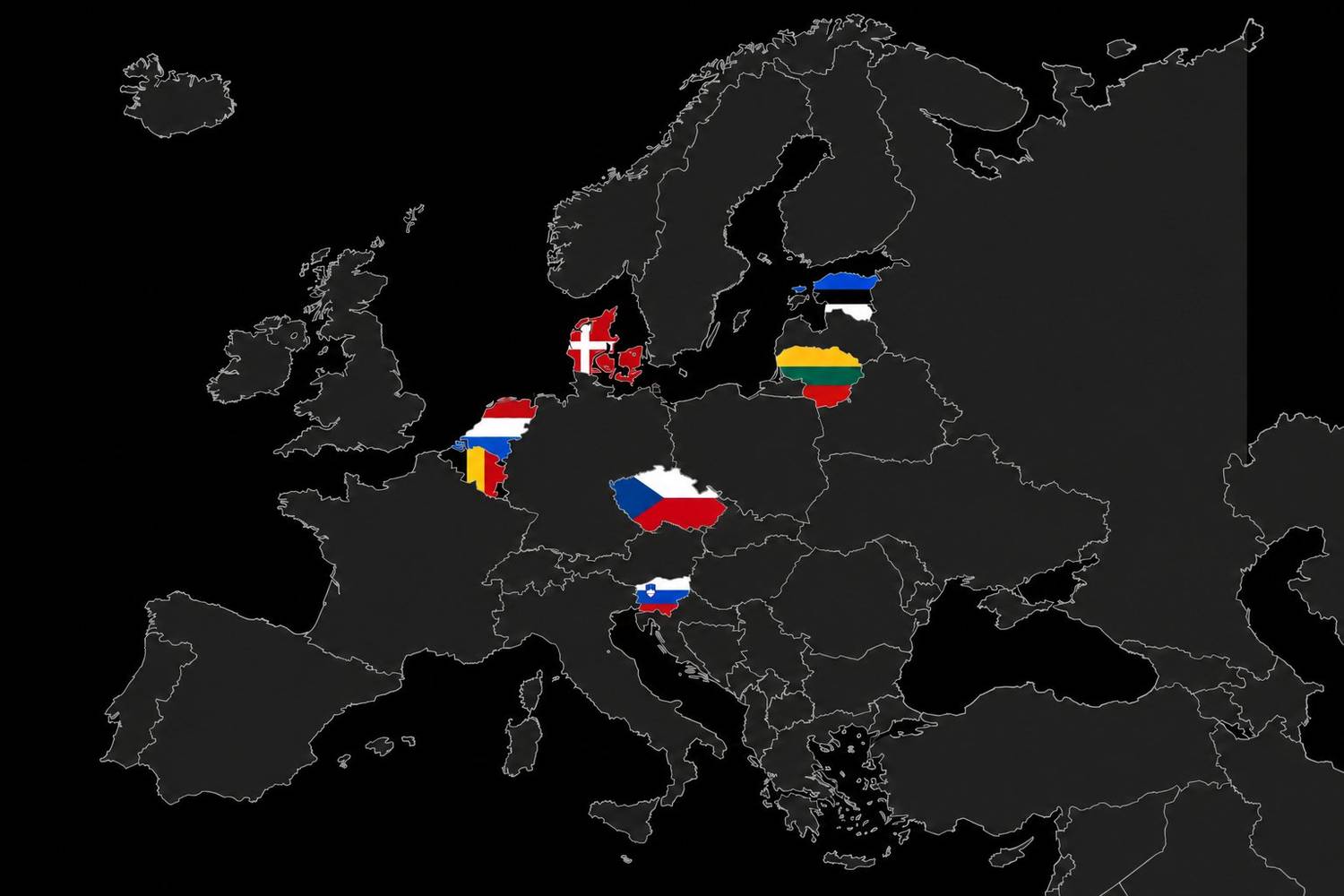
- Preceding Approvals: Netherlands (10 April), Lithuania (20 May), Estonia (29 May), Denmark (9 June), Belgium (10 June), Slovenia (7 September)
- Population Weight Contribution: Czech Republic adds approximately 2.42% toward the 65% EU population threshold
- Cumulative YES Weight: 11.81% of required 65% achieved prior to formal EU vote
- Rollout Timeline: Software distribution to begin soon after regulatory clearance
In-Depth Technical Analysis
The European Regulatory Chessboard
Tesla’s strategy in Europe has been methodical. Rather than waiting for a single EU-level decision, the company has pursued national approvals country by country. Each approval expands the operational design domain, generates additional real-world data under European driving conditions, and incrementally raises the political cost of a negative EU vote. Czechia’s decision on 21 September 2026 is the latest and one of the more significant moves on this board.
The population-weighted voting system used for the EU decision means larger nations carry more influence. While Czechia’s 2.42% share is modest compared with Germany or France, the cumulative total of the seven approved countries now stands at 11.81%. This figure is calculated strictly from the already-approved nations and does not yet include any larger markets that may follow.
Technical Architecture of FSD Supervised
FSD Supervised remains a Level 2 system under current regulatory classification: the vehicle can control steering, acceleration, and braking, but the human driver is legally responsible and must remain attentive. The underlying stack, however, is the same end-to-end neural network architecture that Tesla continues to refine for eventual unsupervised operation.
- Camera-only perception pipeline processes raw video streams at high frequency
- Occupancy networks and vector-space planning generate trajectories in real time
- Neural networks continuously improve via fleet learning from millions of vehicles worldwide
- European-specific edge cases (different road markings, signage, traffic patterns) are now being addressed with local data from the newly approved markets
Why Czechia Matters Technically
Czech road infrastructure and driving culture provide valuable diversity for the training dataset. The country features a mix of modern highways, historic city centers with narrow streets, and rural secondary roads. Capturing supervised miles in this environment strengthens the system’s robustness before larger, more complex markets come online.
Latest News & X Highlights
The announcement came directly from Tesla’s European account, confirming both the approval and the imminent start of rollout:
Analyst and data visualizer Roland Pircher immediately placed the decision in context, listing all seven approved countries with their exact population percentages and the resulting cumulative weight:
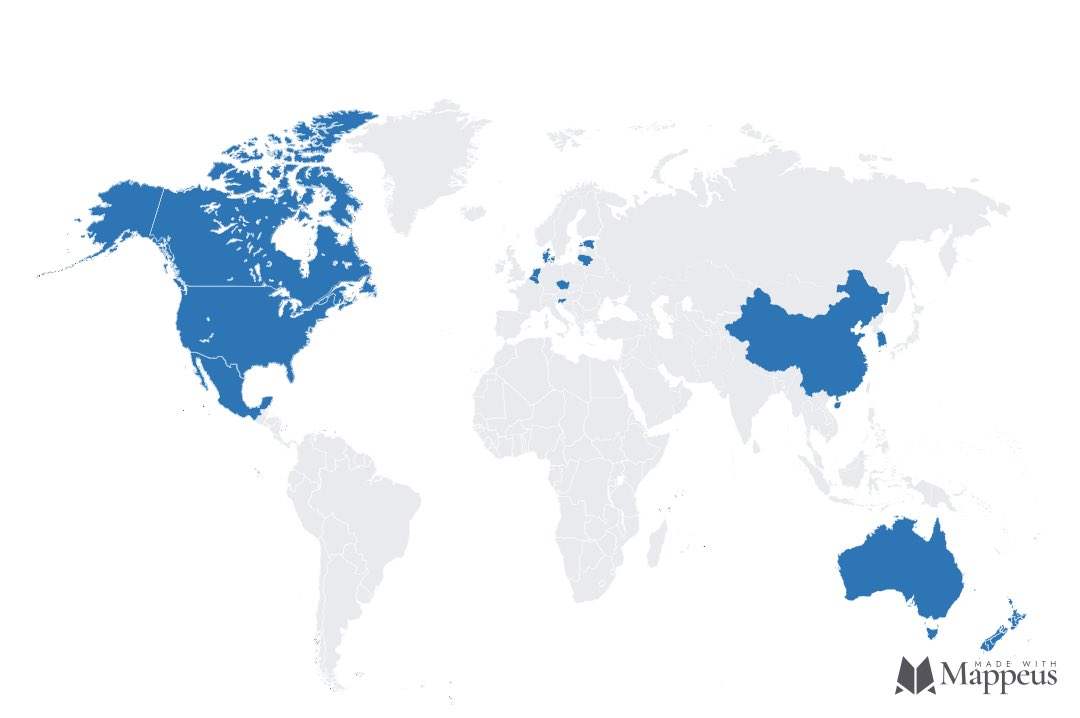
Whole Mars Catalog followed with an updated global coverage map highlighting the expanding European footprint of Tesla Self-Driving capability:
Real-world Applications & Implications
For Czech Tesla owners, the practical impact is immediate: once the software is pushed, eligible vehicles will gain access to supervised autonomous highway and city driving features under local traffic rules. For Tesla, the approval expands the fleet’s European data-collection surface area, accelerating the refinement of the neural networks for continental conditions.
Strategically, each national approval reduces the risk that a single large member state can block the technology indefinitely. The growing list of “YES” countries creates political cover and demonstrates that the system meets the safety expectations of multiple independent regulators. As more mid-sized nations join, pressure mounts on remaining holdouts—particularly those with significant domestic automotive industries.
Longer term, the supervised phase serves as the critical real-world validation layer before unsupervised robotaxi operations can be contemplated under European regulatory frameworks. Every supervised mile driven in Czechia, Slovenia, Belgium, and the other approved markets contributes to the safety case that will eventually be required for higher levels of autonomy.
Final Verdict
Czechia’s approval of FSD Supervised is more than a national milestone—it is another carefully placed brick in the regulatory foundation Tesla is building across Europe. With seven countries now on board and 11.81% of the required population weight secured before the formal EU vote, the trajectory is clear. Rollout will begin soon, real-world miles will accumulate, and the technical and political case for broader authorization will only strengthen.
The road to unsupervised autonomy in Europe is still long, but the supervised chapter is now firmly underway in Central Europe. For Tesla owners in Czechia and for the broader European autonomy community, the future just became a lot more exciting.