

Tesla just dropped one of the most consequential quarterly updates in its history. Q3 2026 confirmed that unsupervised Robotaxi operations are scaling rapidly, Cybercab production is accelerating toward customer fleet deliveries, Optimus humanoid robots have begun rolling off high-volume lines in Fremont, and Full Self-Driving Supervised attach rates have smashed past 75% in North America. This deep-dive technical review breaks down every hard number, engineering milestone, and forward timeline from the earnings call and shareholder update so you understand exactly where Tesla’s autonomy and robotics stack stands today—and where it’s headed by the end of 2027.
Key Features & Advantages
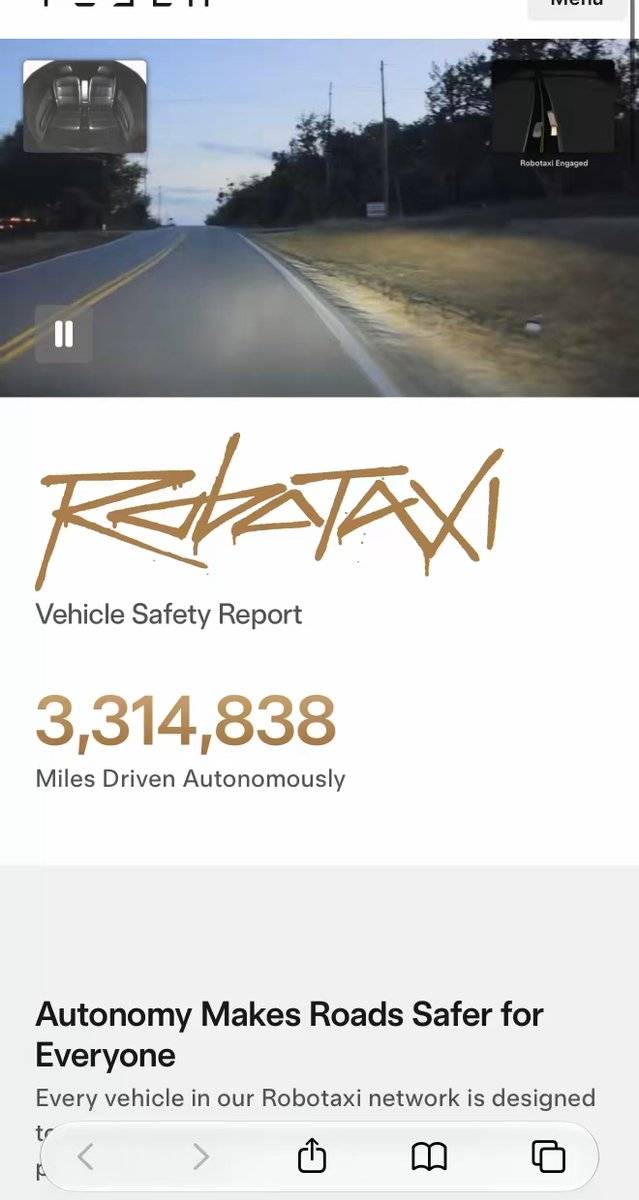
- ✅ Zero injuries, zero airbag deployments, and zero pedestrian or cyclist impacts across more than 3 million unsupervised Robotaxi miles
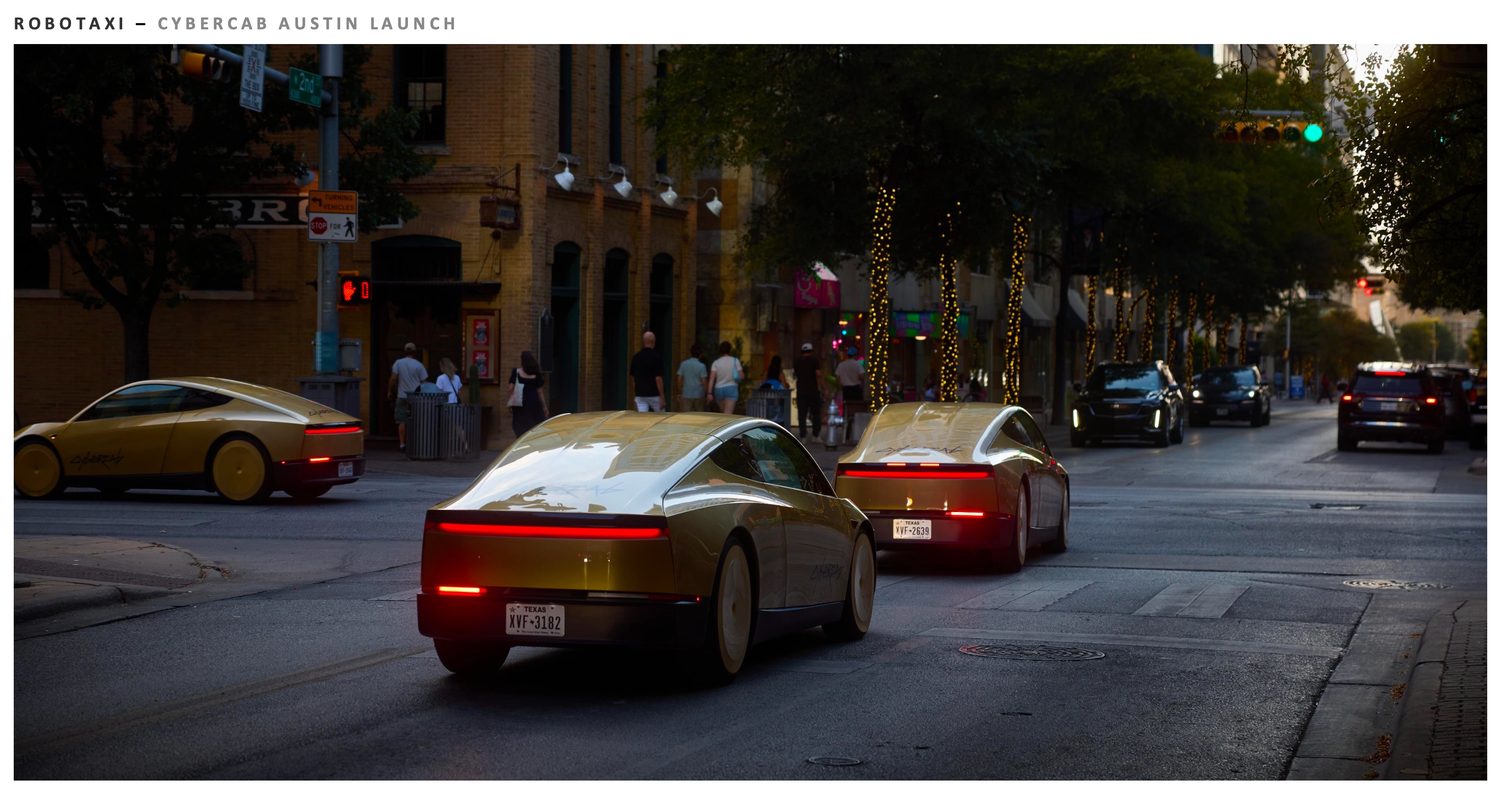
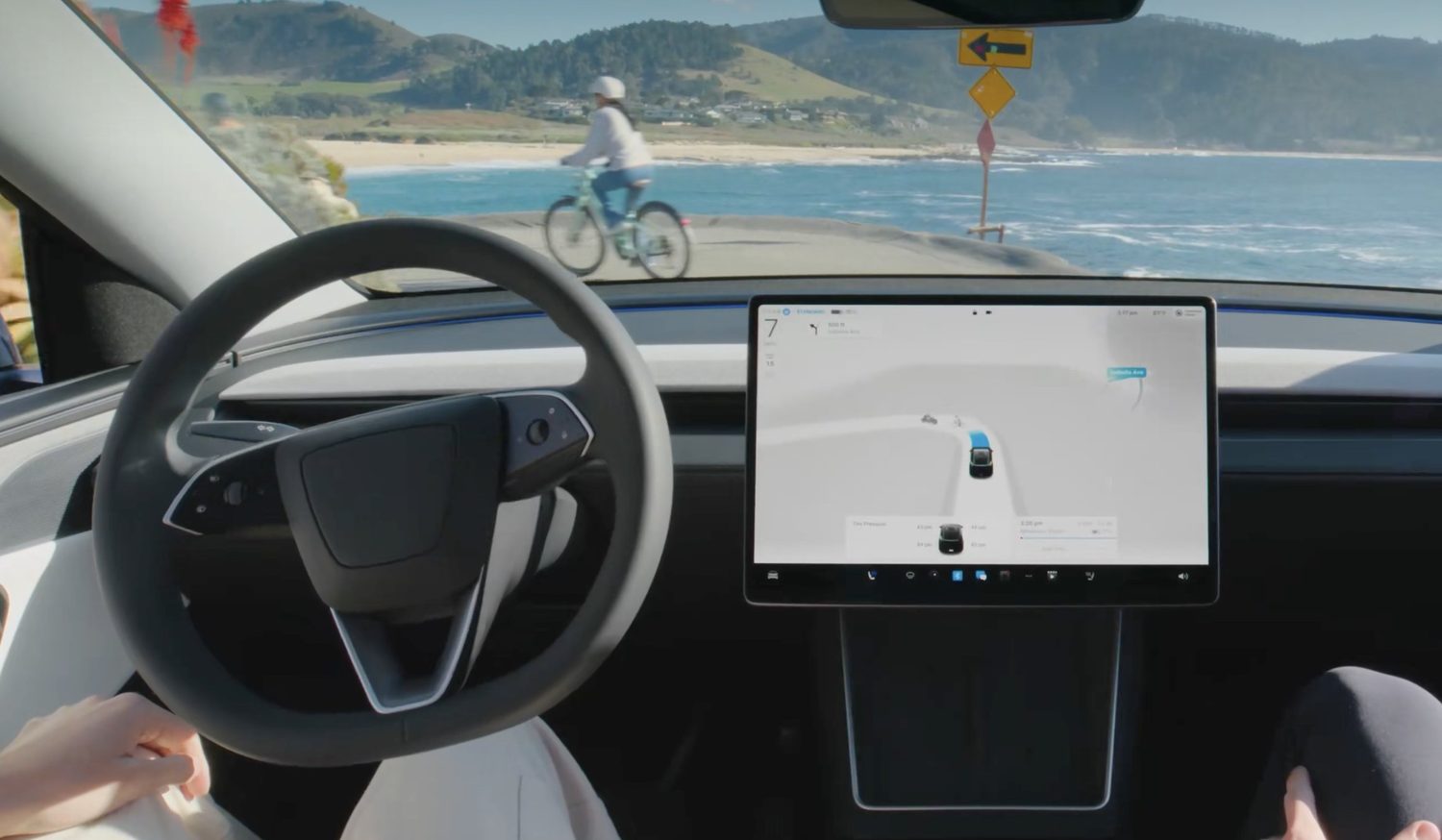
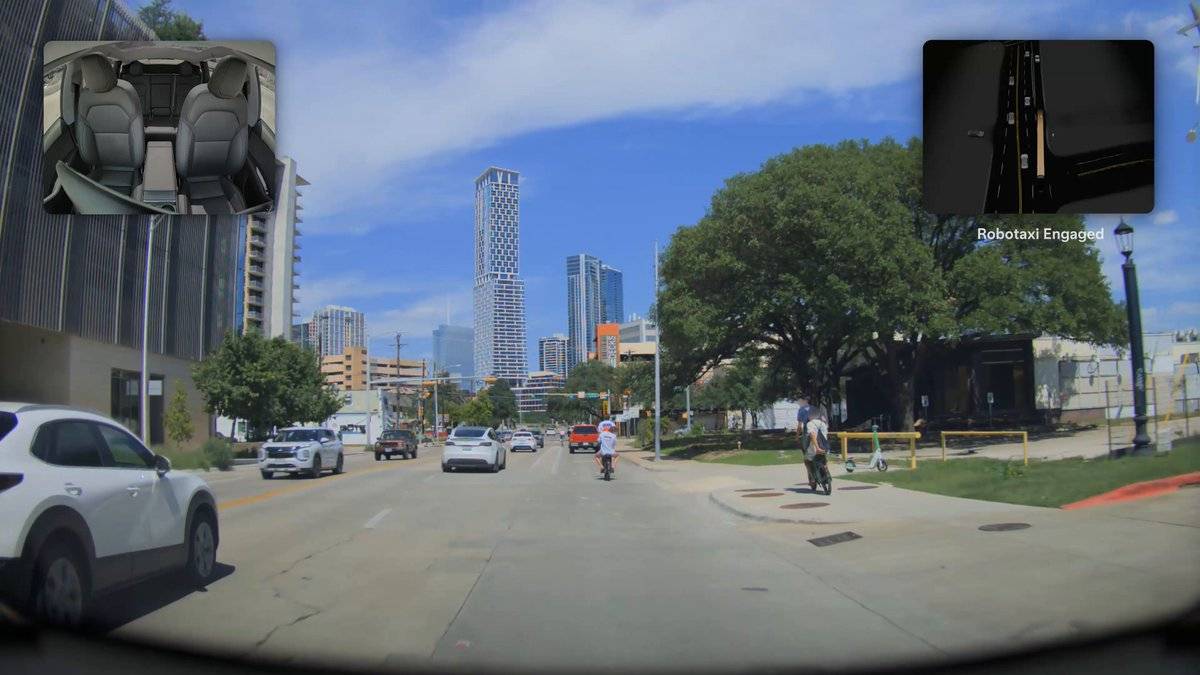
- ✅ Cybercab now operating in Austin with Grok voice interface for inbox, calendar, files, and tasks
- ✅ FSD Supervised attach rate above 75% of new North American vehicle deliveries despite free one-month trial
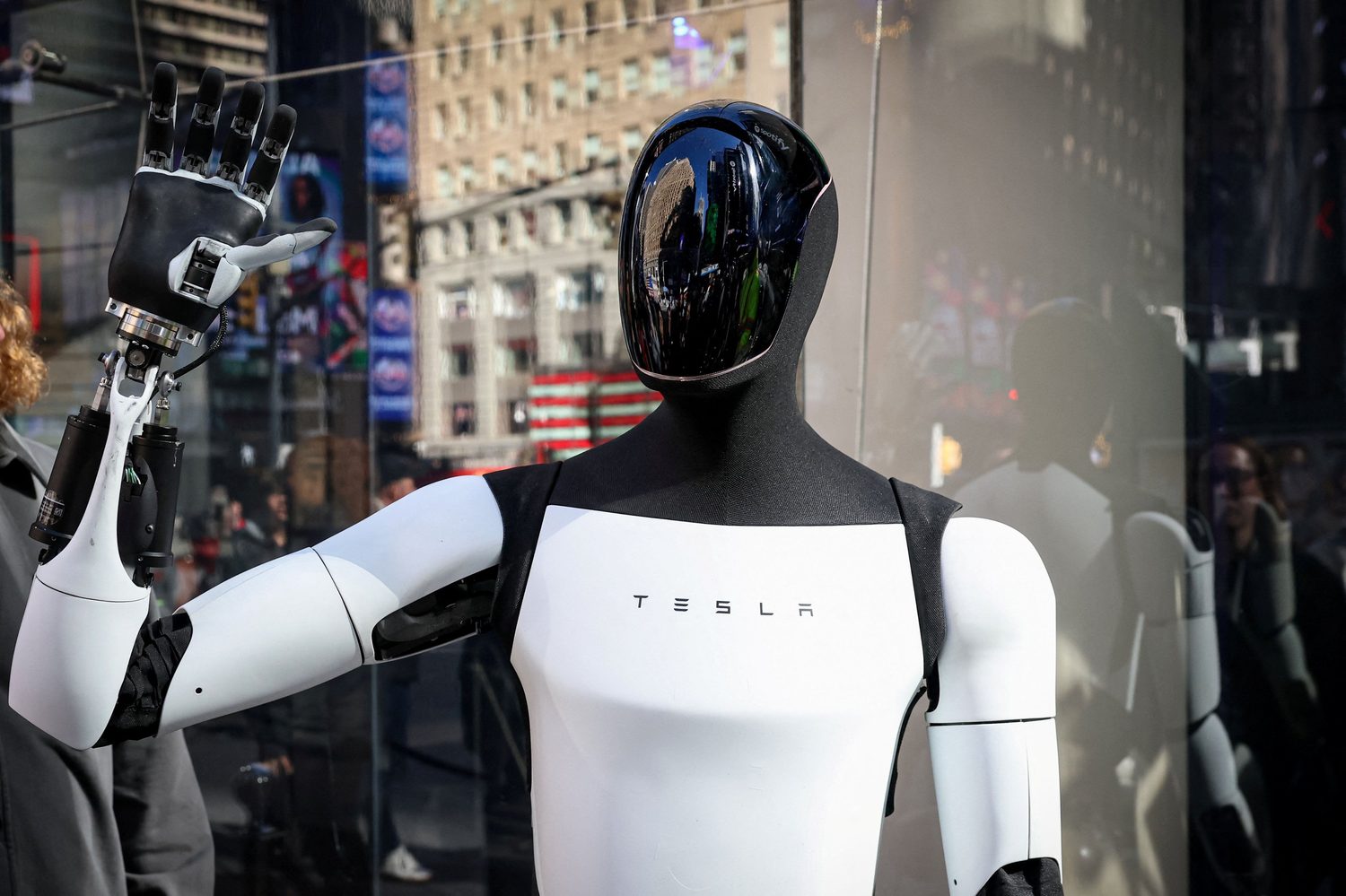
- ✅ First production-quality Optimus robots already coming off high-volume manufacturing lines in Fremont
- ✅ Tesla building its own AI-native mapping and navigation stack that learns from the entire vehicle fleet
- ✅ Semi in volume production with 500-mile range at 82,000 lbs GVWR and 1.7 kWh/mile efficiency
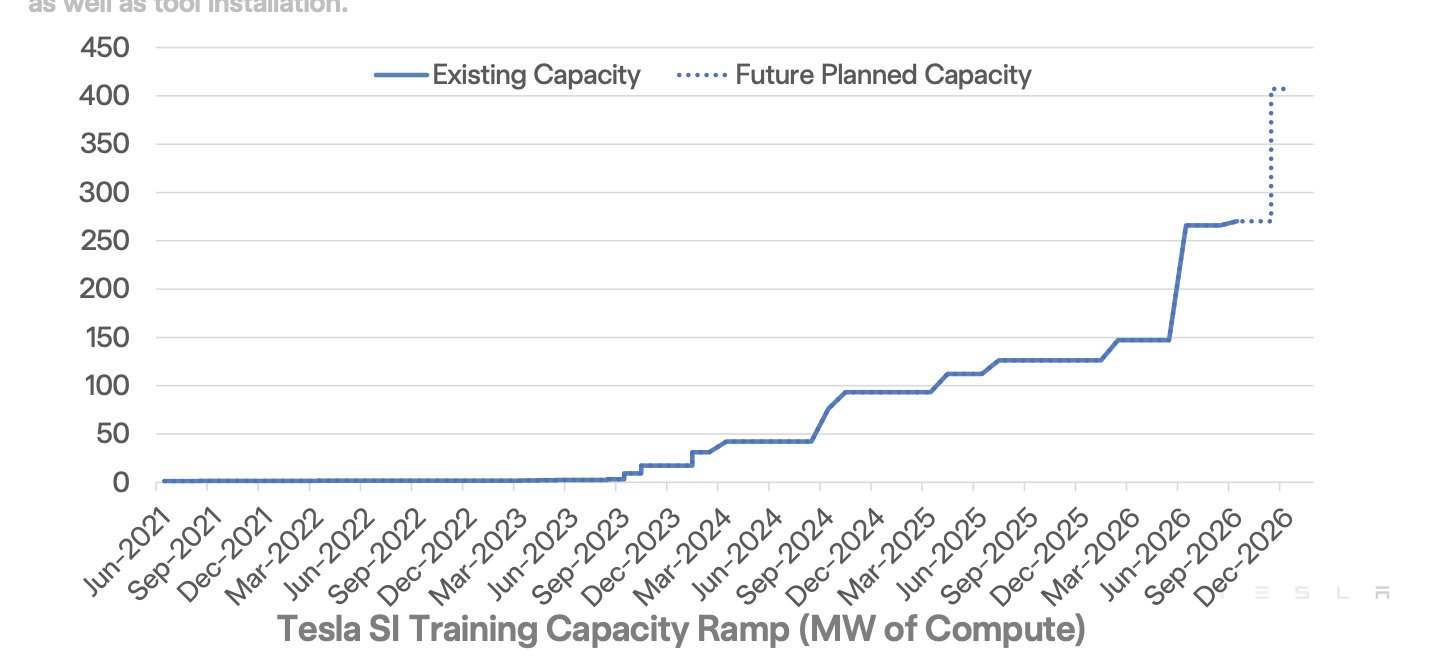
- ✅ 400 MW of Superintelligence training compute targeted by end of 2026
Technical Specifications
- Robotaxi Unsupervised Miles (Jan 22 – Oct 18 2026): Austin 2,118,015 • Dallas 608,130 • Houston 225,964 • Miami 46,262 • Orlando 61,053 • Tampa 53,117
- Safety Metrics: 0 people injured • 0 airbag deployments • 0 pedestrians/cyclists hit
- Operating Conditions Logged: 862,000 miles after dark • 113,000 miles in rain • 575,000 miles in rush hour
- Austin Service Hours: Currently 6 am – midnight; targeting 24/7 by end of 2026
- Cybercab Efficiency Target: Comparable to vehicle manufacturing cost trajectory of Optimus
- Tesla Semi: Up to 500 miles at full 82,000 lbs • 1.7 kWh/mile (≈1/3 energy of comparable diesel)
- FSD Supervised: Live in nine EU countries • >100,000 customers • >160 million kilometers driven
- SI Training Compute: On track for 400 MW by year-end 2026
- Optimus Production: First commercial-grade units on Fremont high-volume lines; equipment for ~1 million units/year already arriving
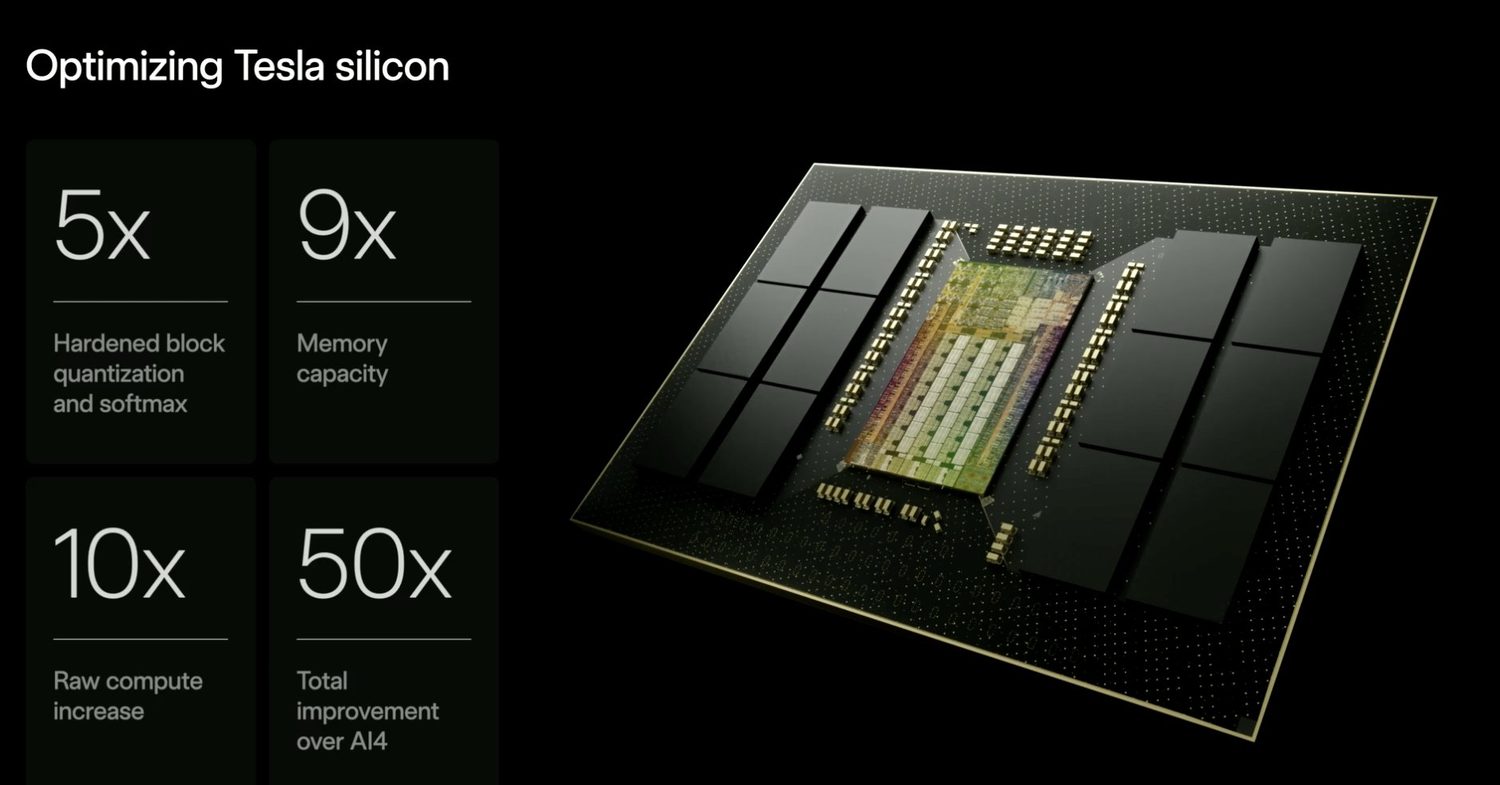
- AI5 Chip: Targeted integration into Optimus mid-2027; potential customer vehicle shipments late 2027
- Megapack Gross Margin: Currently 33% with higher ASPs expected as volume scales
In-Depth Technical Analysis
Robotaxi Fleet Scaling & Safety Architecture
Tesla’s new Robotaxi safety portal reveals the most transparent unsupervised autonomy data set ever published by any company. From late January through mid-October 2026 the fleet accumulated roughly 3.1 million unsupervised miles with a perfect safety record on the three most critical metrics. The 8× growth in unsupervised miles during Q3 alone demonstrates that the inference stack, fleet orchestration, and geofencing systems are now mature enough for rapid city expansion.
Cybercab has already been injected into the Austin fleet and is scheduled for public launch in Dallas in November 2026. Operating hours are being extended progressively toward true 24/7 service by year-end, with highway, higher-speed, additional weather, and nighttime capability expansions also targeted for the same window. Elon Musk indicated that customer-owned vehicles with unsupervised FSD could begin participating in the Robotaxi network around Q2 2027 once fleet-management and geofencing requirements are satisfied.
AI-Native Mapping & Navigation Stack
Perhaps the most under-appreciated technical revelation is Tesla’s decision to abandon third-party mapping providers entirely. Ashok Elluswamy confirmed the company is building a completely new AI-based architecture that learns both individual driver preferences and aggregate fleet intelligence. The system will support conversational voice commands, personalized routing, improved parking behavior, and more intelligent destination handling. This closes one of the last remaining sources of FSD disengagements and removes a major external dependency.
Optimus Production Reality Check
For the first time Tesla has confirmed that production-quality Optimus robots are leaving high-volume manufacturing lines in Fremont. Elon was characteristically direct: the growth curve is still an S-curve with a shallow initial slope. Electromechanical design, AI capability, reliability, and usage life still require significant iteration, but he expects these issues to be largely solved by the end of 2027. Most of the equipment for a 1-million-unit annual production line is already on site; reaching that annualized rate will take at least another year and possibly longer (roughly 20,000 robots per week at full scale).
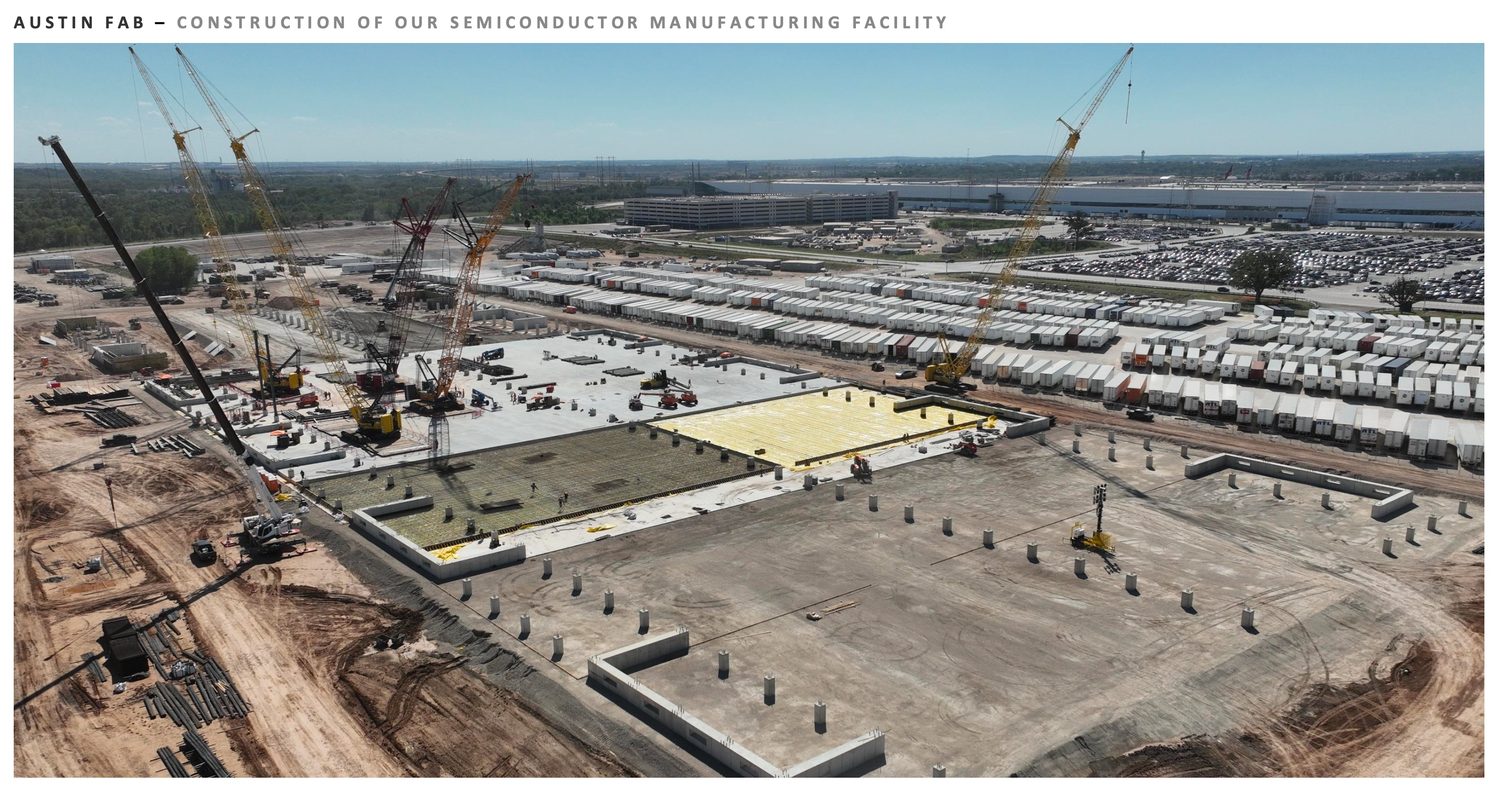
AI5 silicon is targeted for Optimus integration in mid-2027, and Tesla hopes to produce its first experimental semiconductor chips around May–June 2027 with volume production at the Terafab facility targeted for Q3 2028.
Latest News & X Highlights

Tesla’s official Q3 shareholder update laid out the full picture in characteristically dense form:
Sawyer Merritt’s comprehensive earnings-call summary captured the forward-looking statements that matter most to autonomy investors:
The brand-new Robotaxi safety dashboard went live with real-time mile counters and zero-incident statistics:
Official Robotaxi account highlighted the perfect safety record and upcoming city expansions:
Dallas Cybercab launch confirmation:
Optimus production confirmation from the factory floor:
AI-native mapping architecture reveal:
AI5 timeline clarity:
SI compute roadmap:
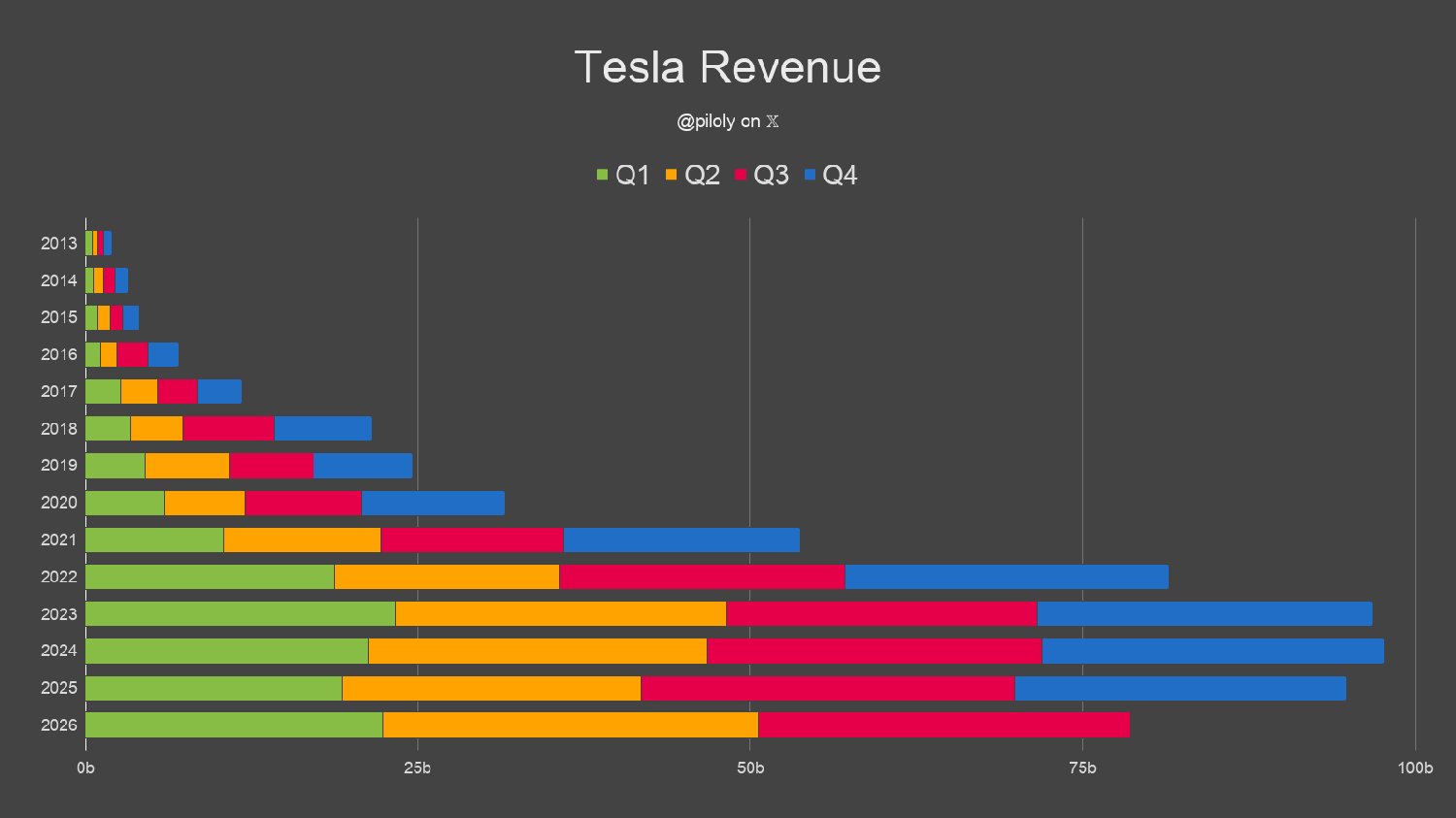
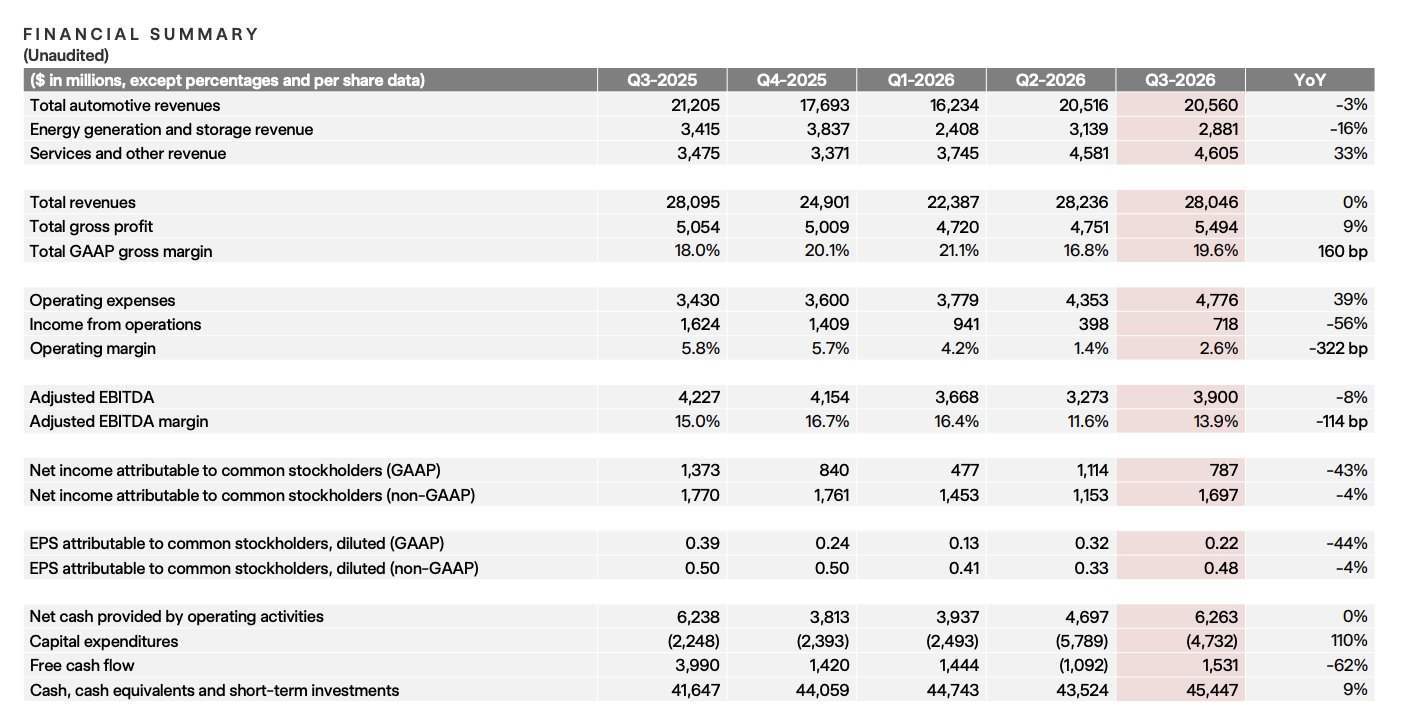
Q3 financial snapshot:
Real-world Applications & Implications
The immediate application is clear: Tesla is converting its existing vehicle fleet into a high-utilization Robotaxi network while simultaneously standing up purpose-built Cybercab capacity. By the end of 2026 the company expects 24/7 service in multiple cities, highway capability, and the first customer fleet deliveries of Cybercabs. Financial contribution from Robotaxi is projected to become noticeable in Q2 2027 and potentially material by Q3–Q4 2027.
On the humanoid side, early Optimus units will first prove manufacturing process capability and then move into internal factory roles before external customer deployments. The fact that production equipment for a million-unit annual line is already arriving signals that Tesla intends to treat Optimus with the same volume ambition previously reserved for vehicles.
The AI-native mapping system will improve every Tesla on the road, not just Robotaxis, by eliminating reliance on third-party map data and enabling continuous fleet learning. Combined with the planned EU-wide FSD approval window (targeted within a few months to Q1 2027), this positions Tesla for a dramatic expansion of supervised and unsupervised autonomy outside North America.
Energy storage remains a critical enabler. Megapack demand is at record levels precisely because large AI training clusters and data centers require rapid, grid-friendly power. Tesla’s own 400 MW SI compute build-out is both a customer for and a beneficiary of this energy storage scale.
Final Verdict
Q3 2026 marks the transition from “promising demos” to “industrial-scale autonomy and robotics.” Robotaxi has proven real-world safety at multi-million-mile scale, Cybercab is weeks away from its second city launch, Optimus has left the lab and entered high-volume production, and the AI inference and mapping stacks continue to pull further ahead of every competitor. The next 18 months will determine how quickly these technologies convert into material financial contribution, but the technical foundation is now unmistakably in place. The future of personal transportation and labor is being built in Austin, Fremont, and Giga Texas—and it is accelerating.