

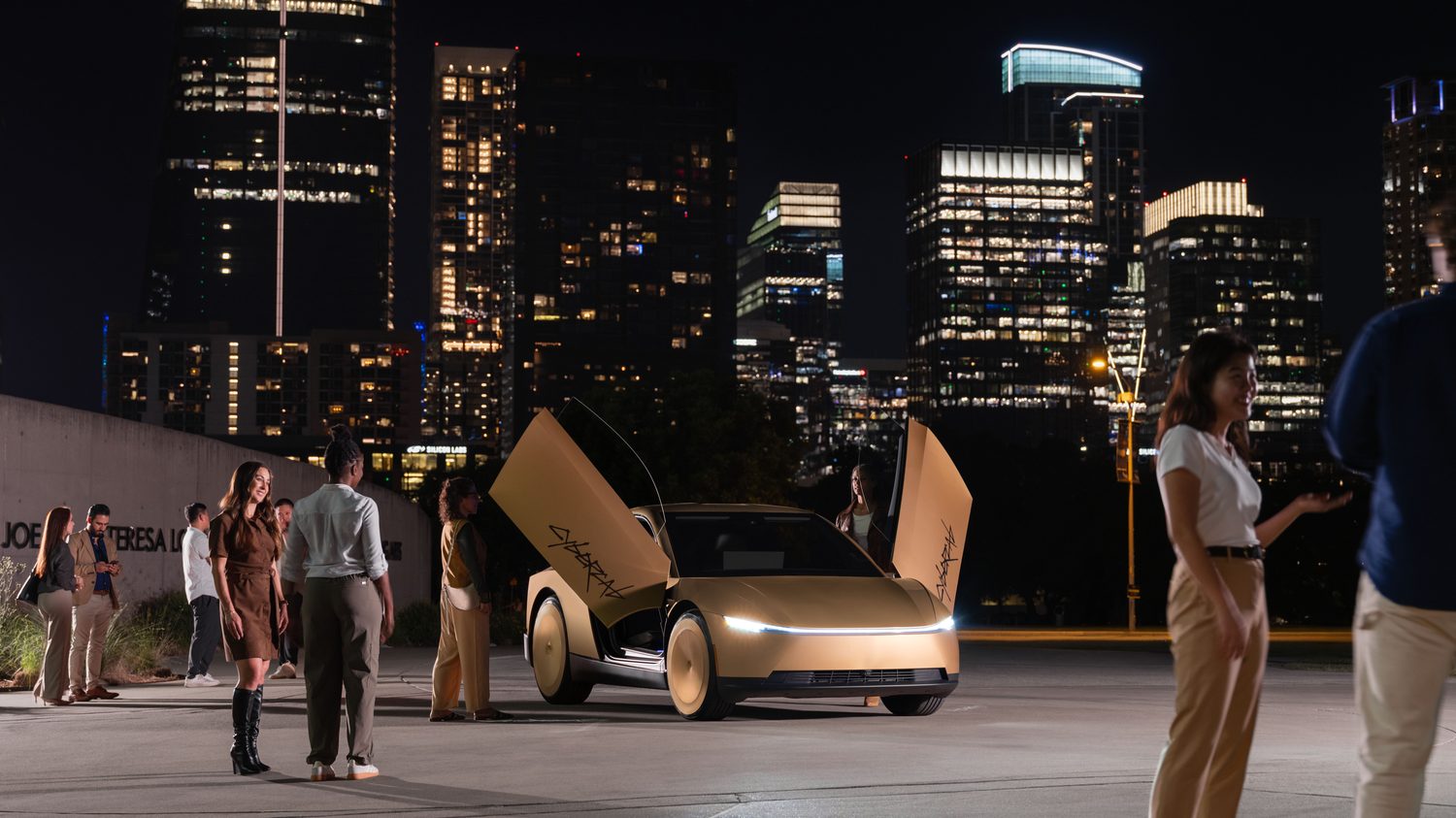
The future of autonomous mobility just accelerated into hyperdrive. Tesla’s Cybercab has officially stepped into the spotlight with a flood of technical revelations, rider guides, hardware teardowns, and launch-event footage that confirm what enthusiasts have been waiting for: a purpose-built, two-seat robotaxi engineered from the ground up for efficiency, safety, scale, and pure passenger delight. From reaction-injection-molded body panels and rare-earth-free motors to brake-by-wire actuators and Starlink V5 connectivity, every detail has been optimized for the unsupervised robotaxi era. This deep-dive review unpacks the exact numbers, manufacturing breakthroughs, and real-world implications that make the Cybercab the most advanced autonomous vehicle Tesla has ever produced.
Key Features & Advantages
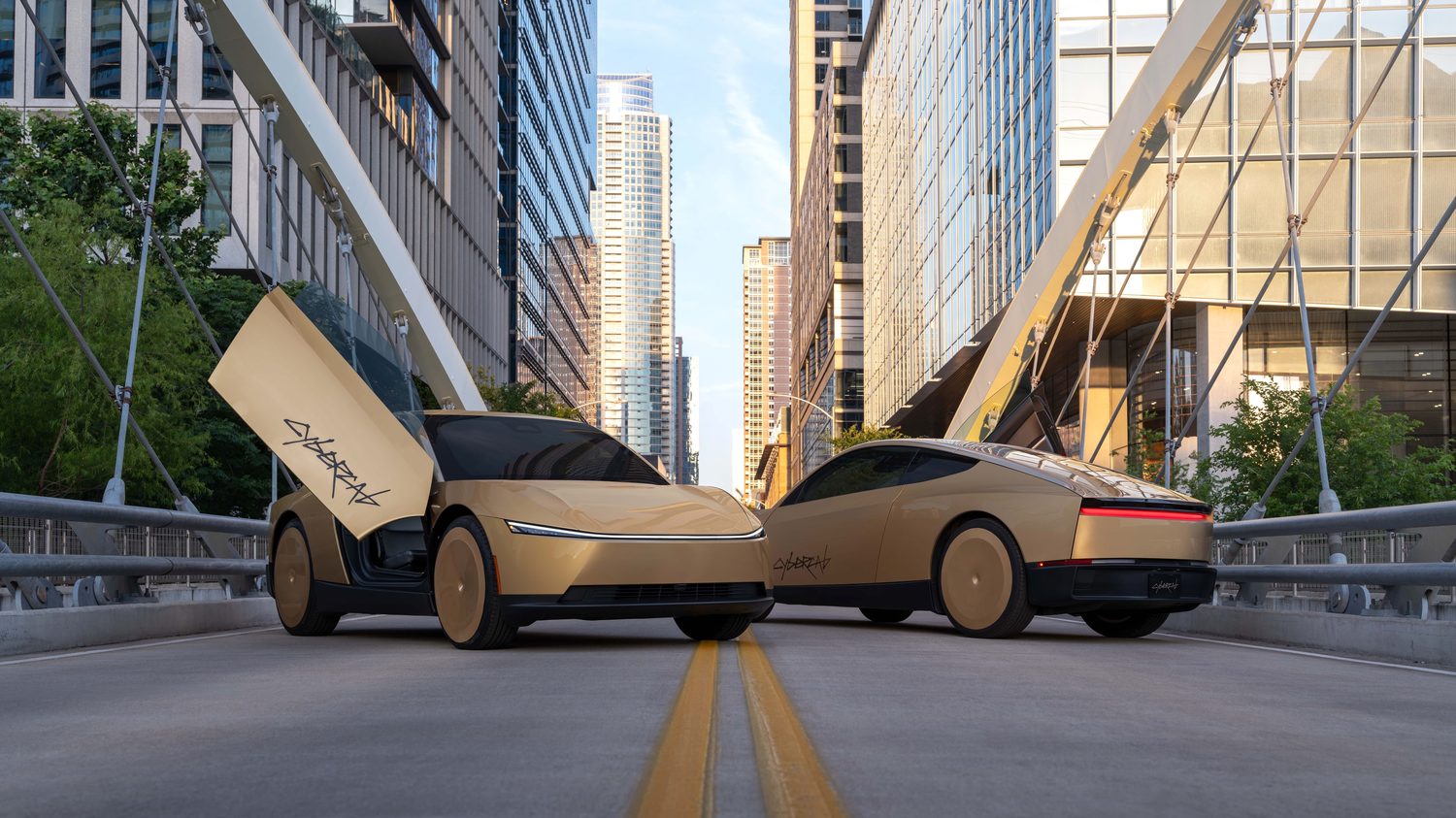
- ✅ Purpose-built two-seat robotaxi with no steering wheel or pedals
- ✅ Ultra-low 16.5-inch step-in height for effortless entry and exit
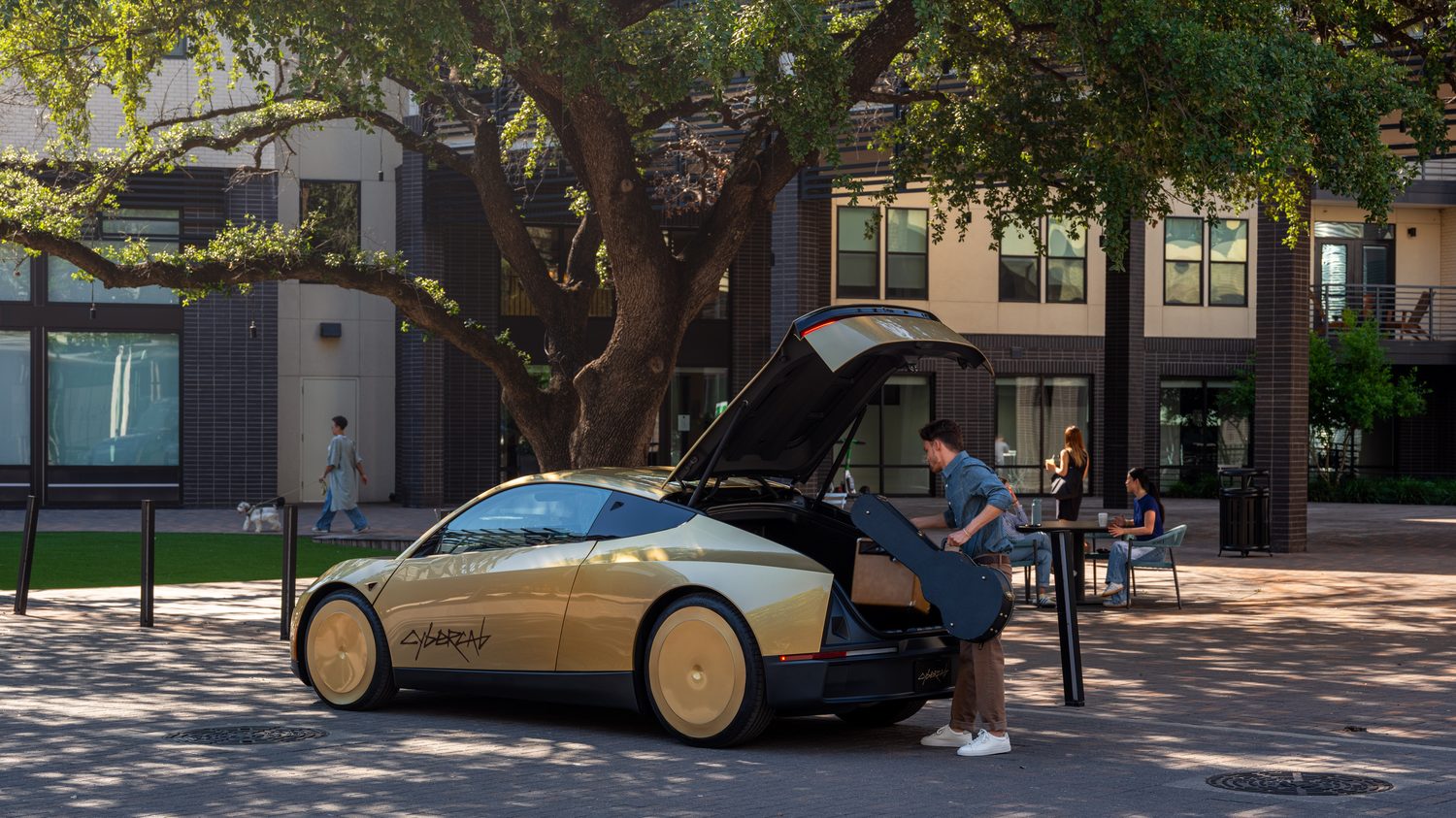
- ✅ 20.2 cu ft (572 L) rear cargo that swallows two checked bags plus two carry-ons
- ✅ Reaction Injection Molding (RIM) body panels that slash production cycle times from hours to minutes
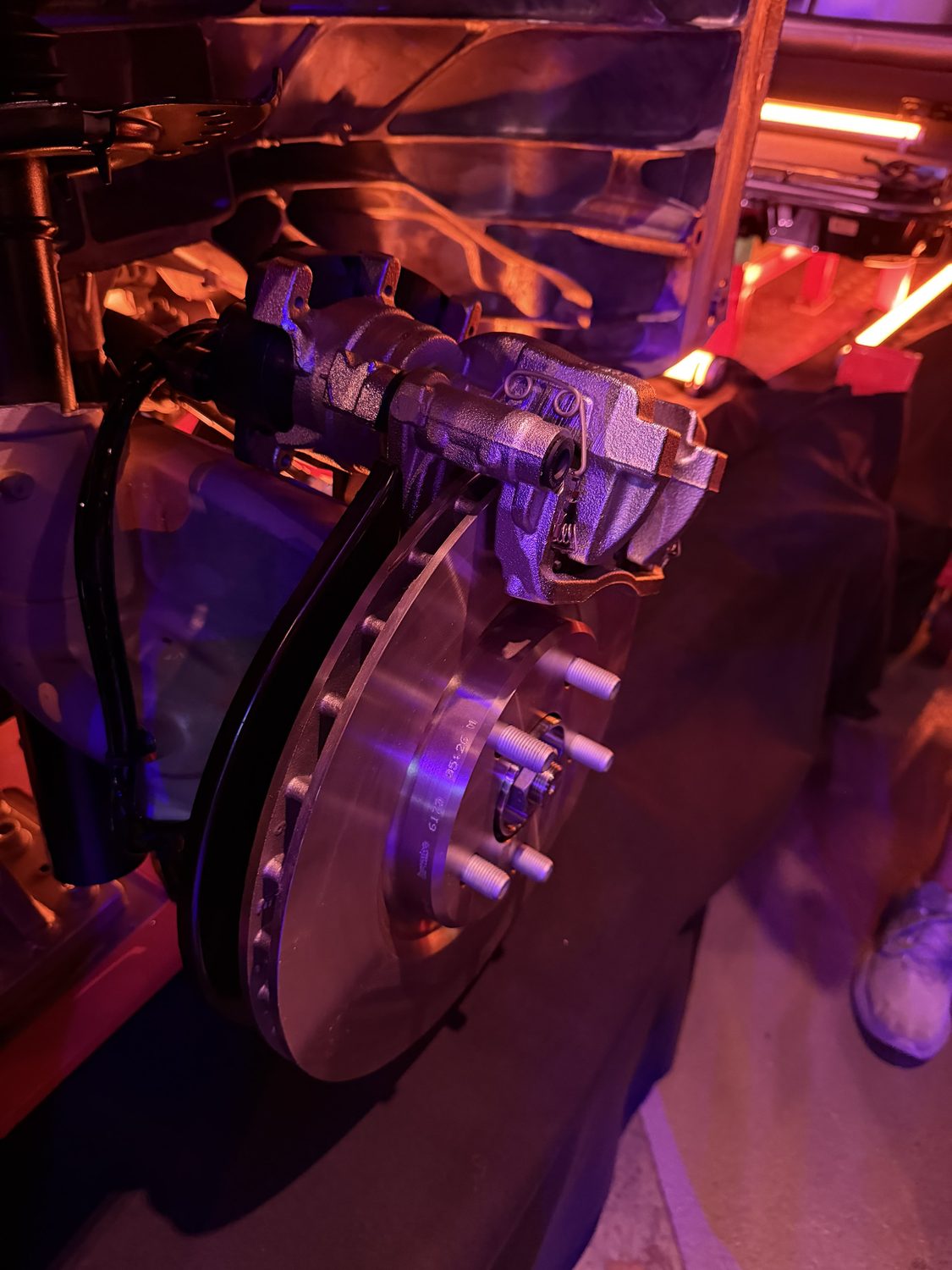
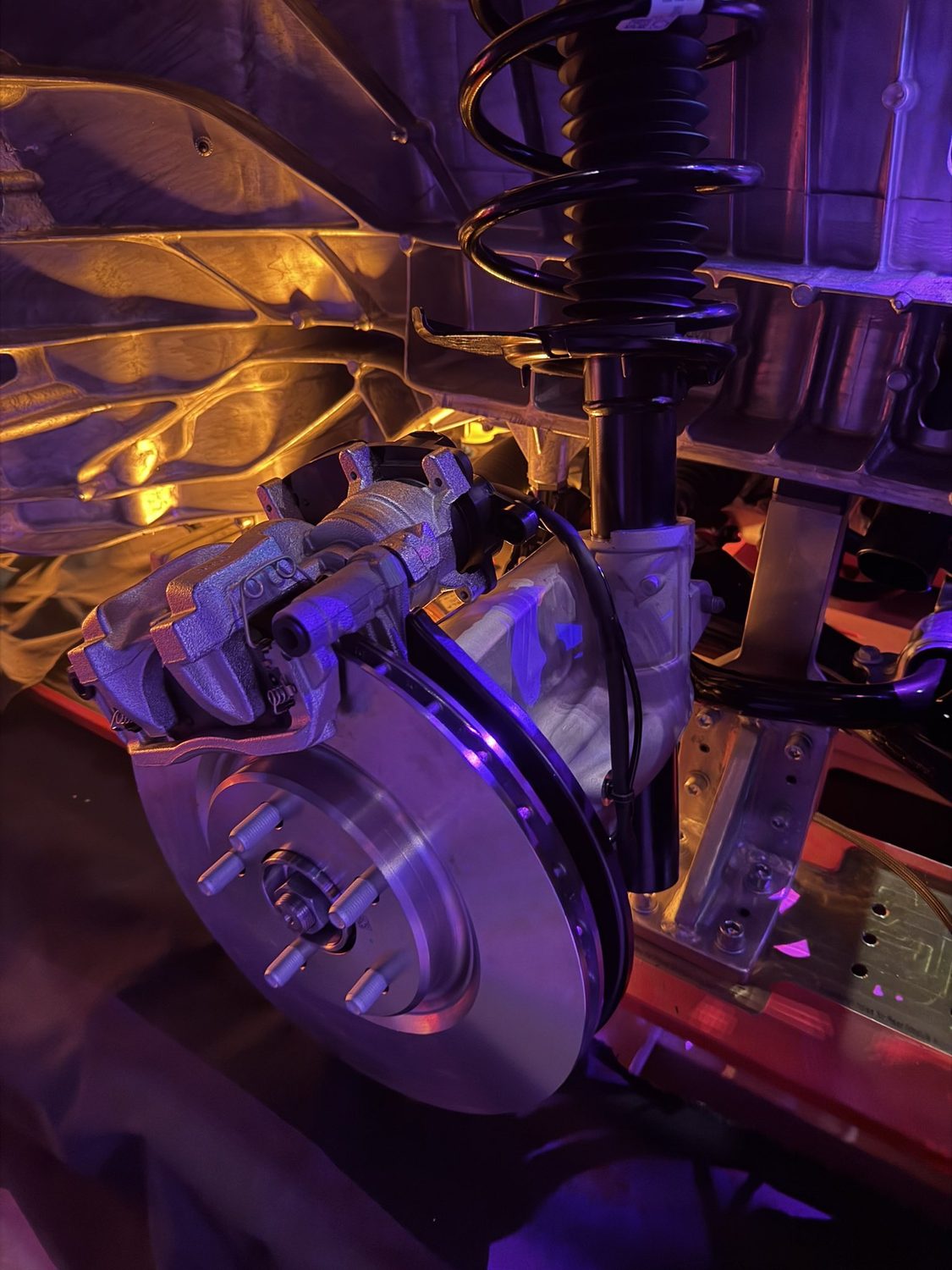
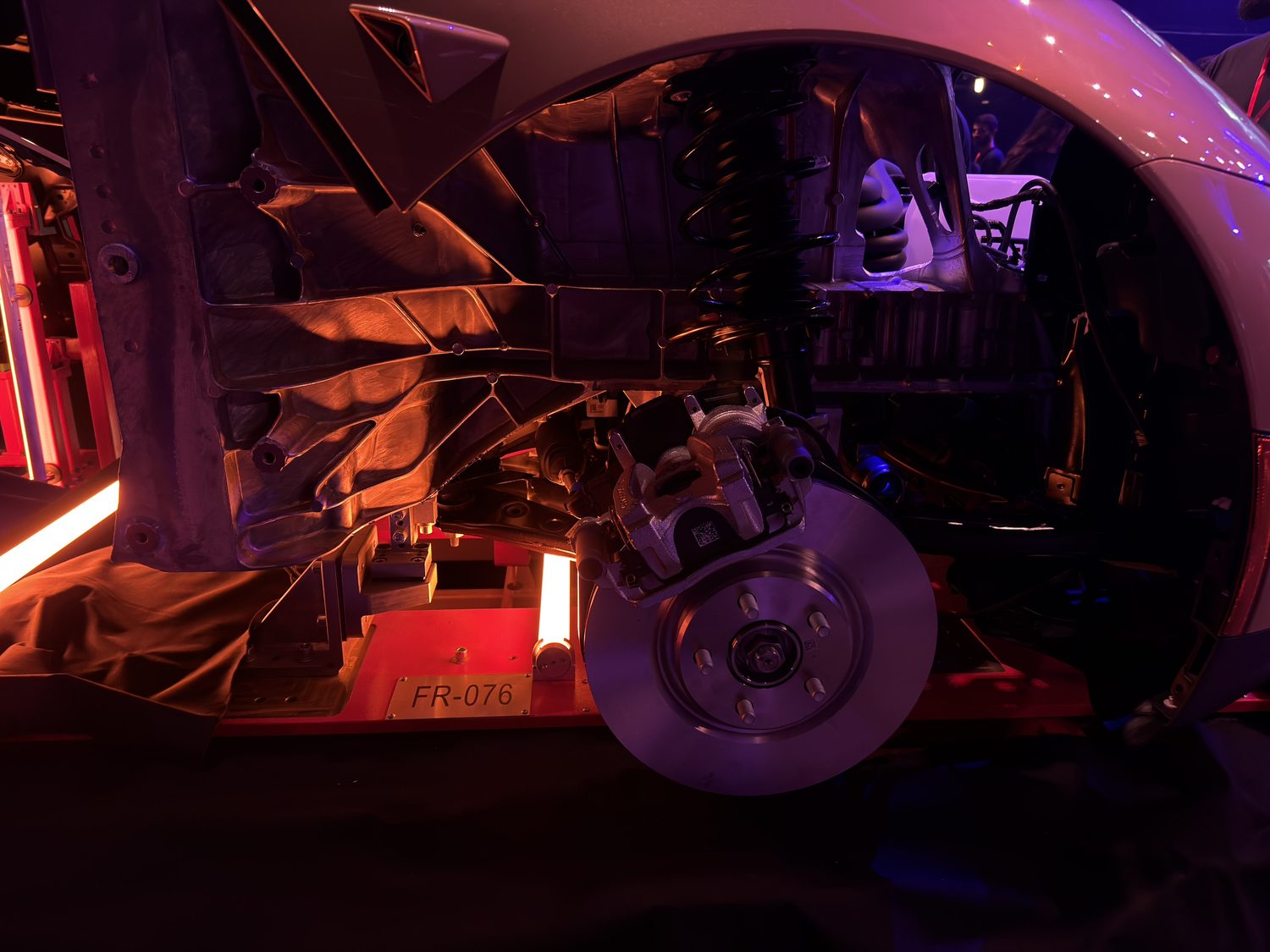
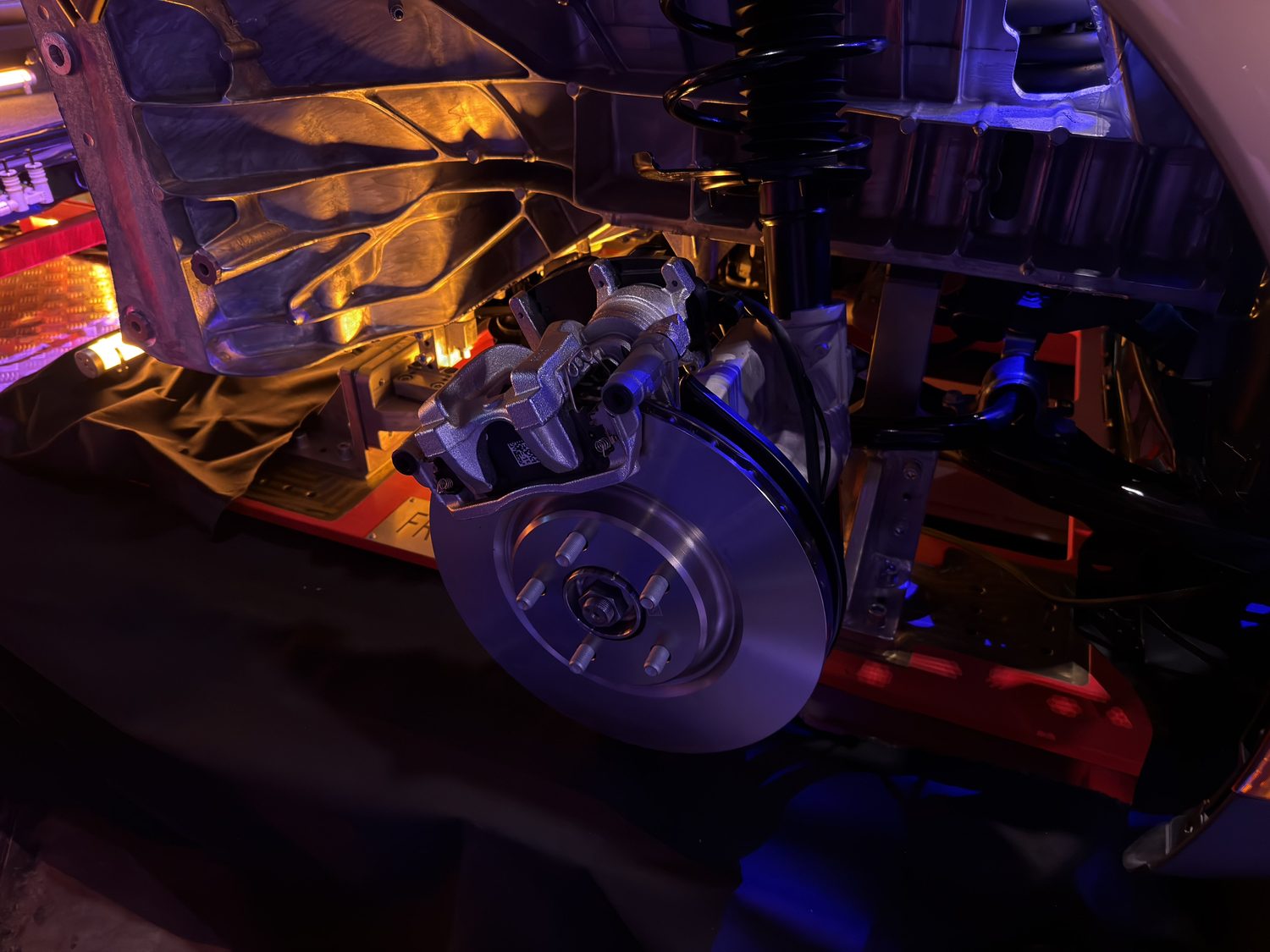
- ✅ Brake-by-wire with individual electric actuators—zero hydraulic fluid, zero brake lines
- ✅ Next-gen Supermanifold V3 thermal system delivering 38 % higher efficiency
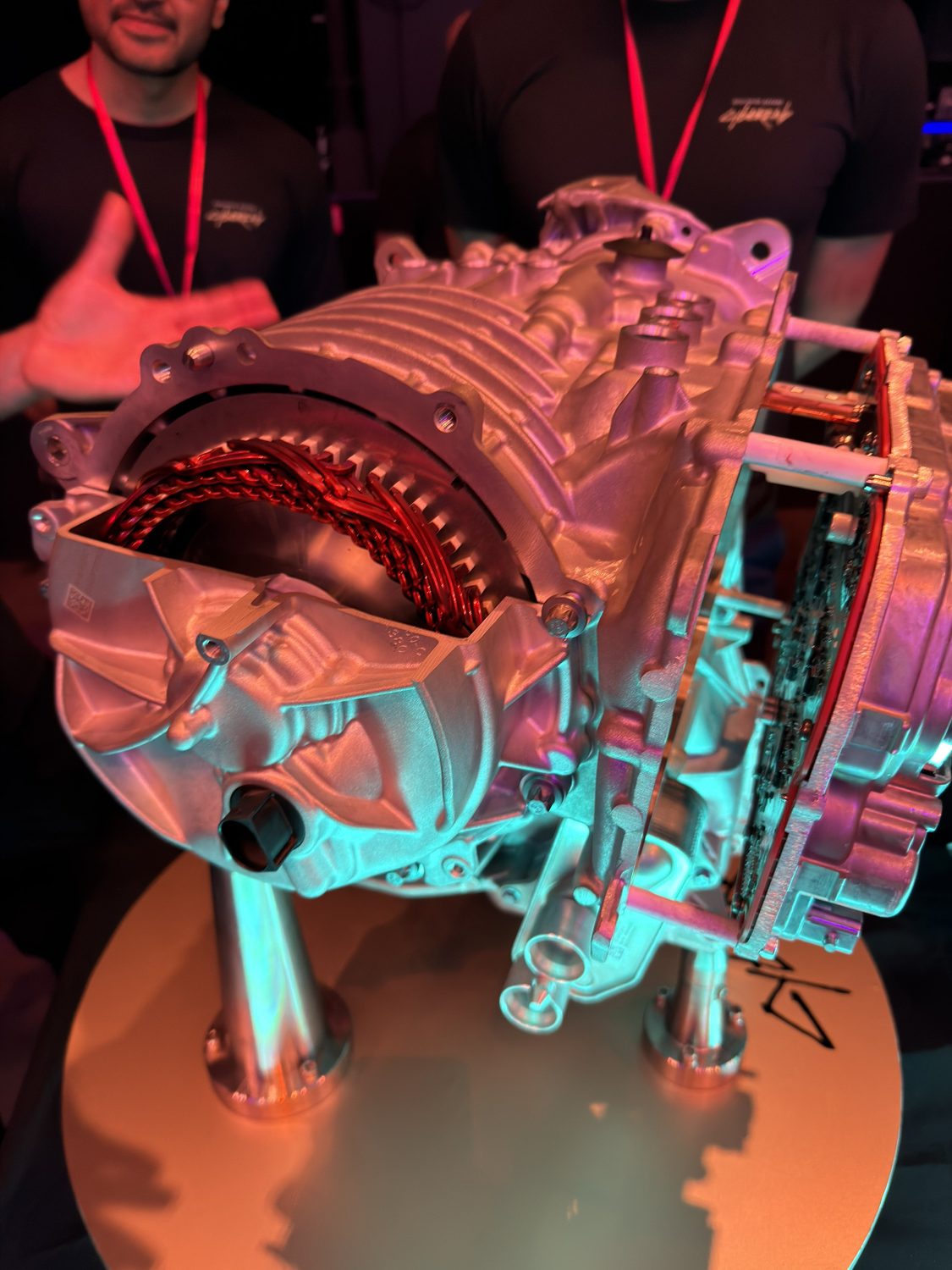
- ✅ Rare-earth-free drive unit that is 18 % smaller and 25 % lighter while matching range
- ✅ Nine cameras plus cabin radar for complete interior and exterior awareness
- ✅ Native Starlink V5 integration for seamless connectivity anywhere
- ✅ Unboxed manufacturing process engineered for fully automated, sub-10-second cycle times
Technical Specifications
- Exterior Dimensions: 55.4 in tall × 69 in wide × 5.7 in ground clearance
- Step-in Height: 16.5 in
- Cargo Volume: 20.2 cu ft (572 L)
- Cargo Weight Capacity: 220 lb (100 kg)
- Interior Space: 43.4 in legroom, 38.3 in headroom, 50.1 in hip room
- Camera Suite: 8 exterior-facing + 1 cabin-facing = 9 total
- Occupant Classification: Cabin radar above dome lights distinguishes empty seat, rear-facing child seat, forward-facing child seat, booster, larger child, or adult
- Airbag System: Front, knee, seat-mounted side, inner seat-mounted side, and curtain airbags
- Child Restraint: No LATCH/ISOFIX anchors—compatible seats use vehicle seat belts only
- UI Engine: Epic Games Unreal Engine
- Power Architecture: 48 V low-voltage system
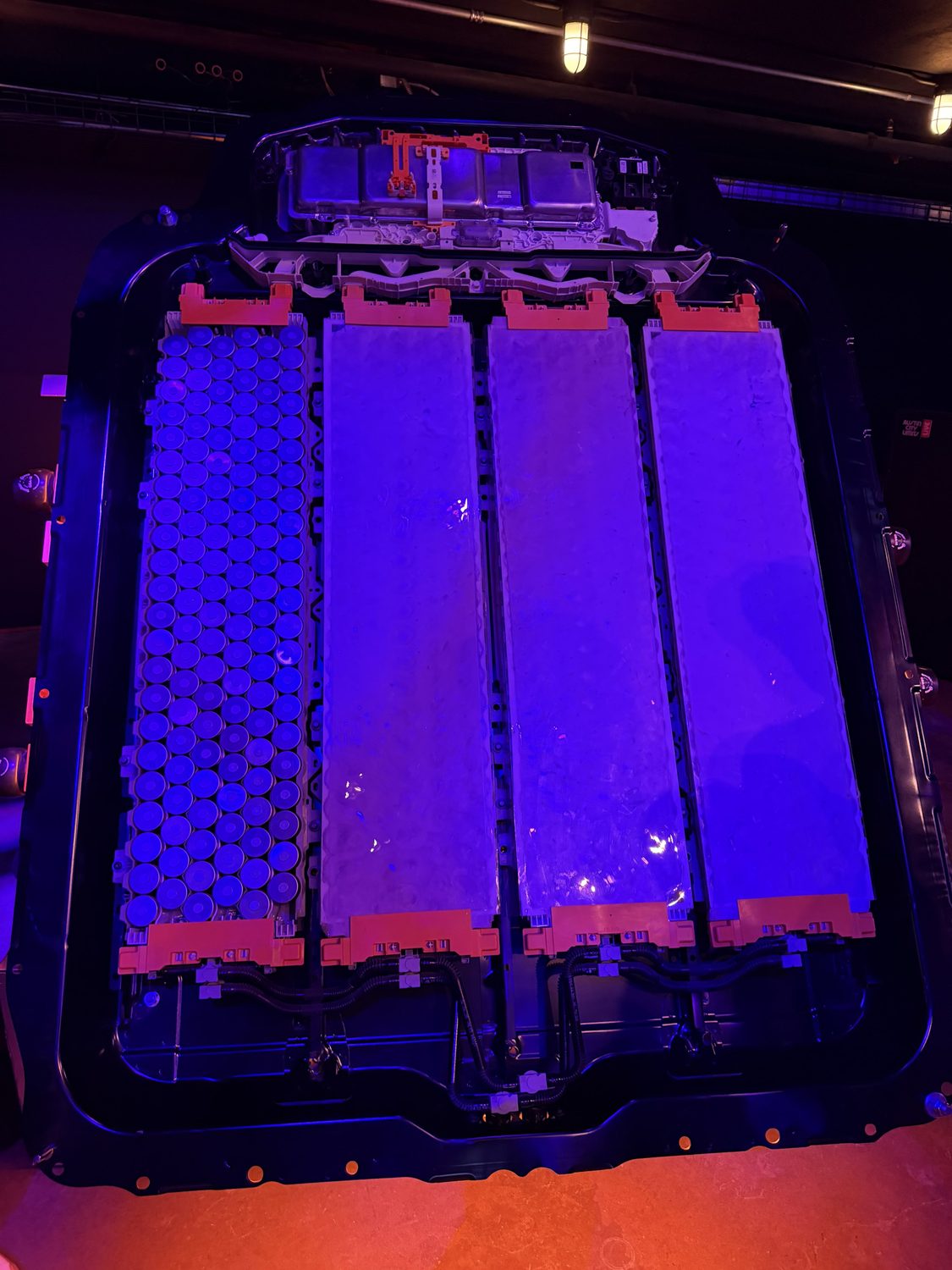
- Battery: Dry-cathode 4680 cells engineered for 500,000 miles of DCFC, vibration, and temperature extremes
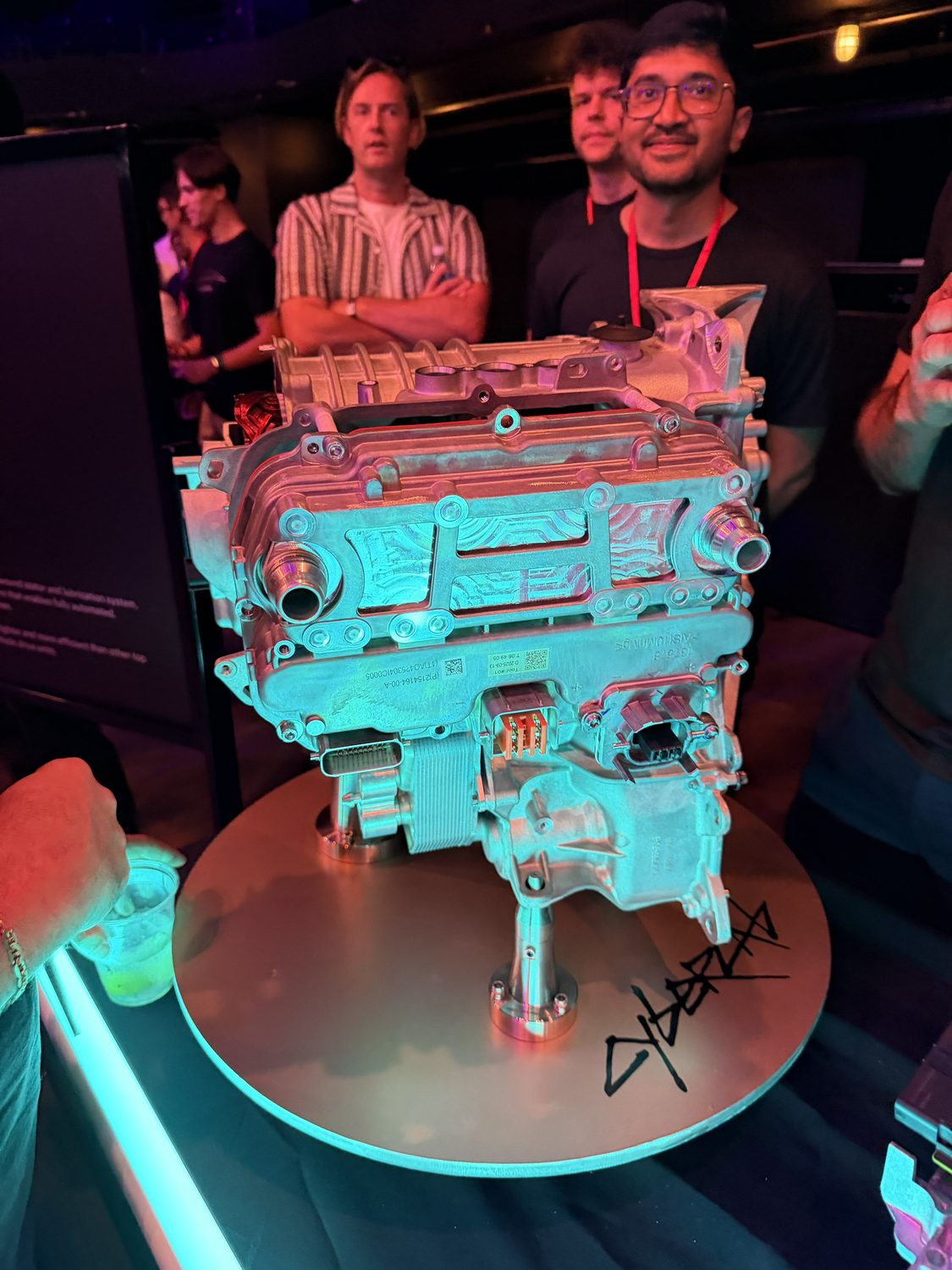
- Drive Unit: Front-wheel-drive, simplified bar-wound stator, no rare-earth metals, 18 % smaller, 25 % lighter
- Aerodynamics: Drag coefficient under 0.2 Cd
- Braking: Fully electric brake-by-wire with individual actuators at each corner—no fluid, no master cylinder, no lines
- Steering: Steer-by-wire rack mounted rear of the drive unit
- Thermal System: Supermanifold V3—80 % automated production, 38 % more efficient than previous automotive thermal systems
- Manufacturing: Unboxed modular process + RIM body panels that cut GHG emissions 35 %
- Connectivity: Starlink V5 hardware integrated for continuous high-bandwidth links
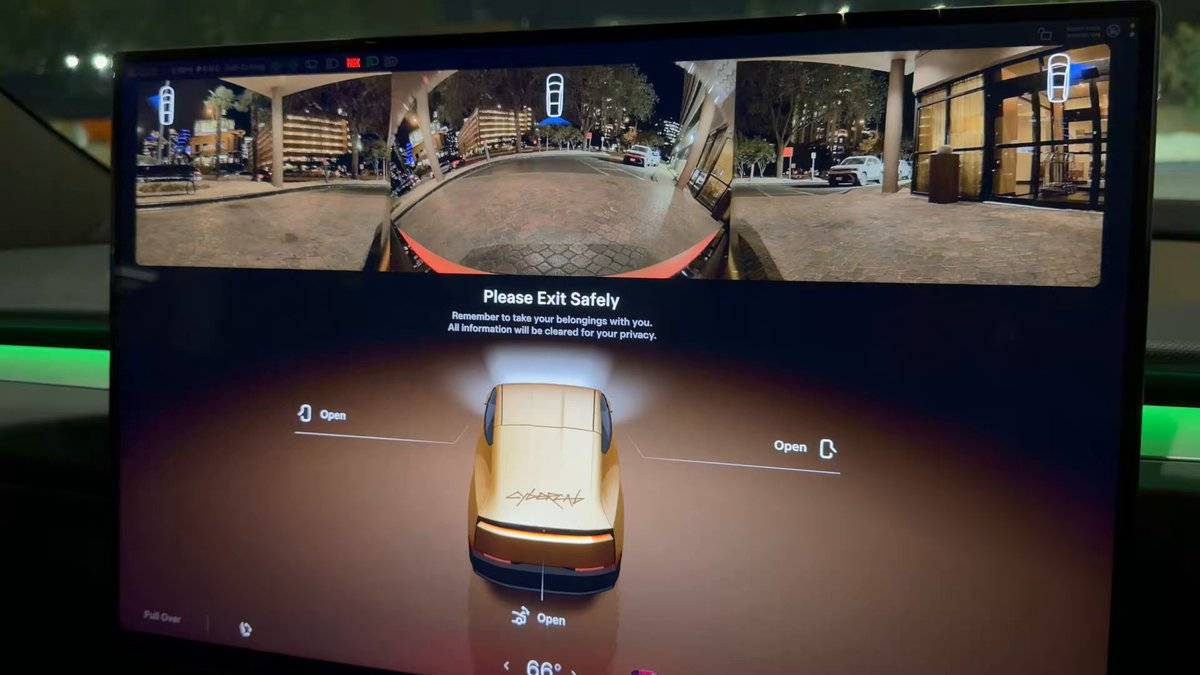
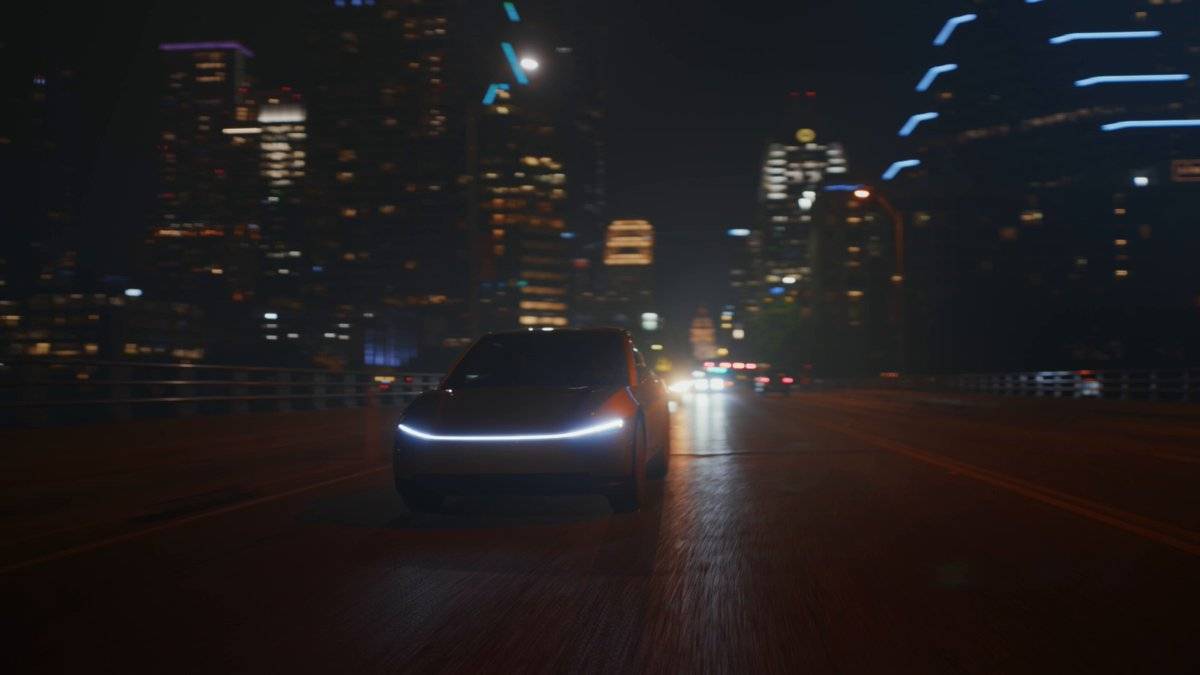
- Passenger Amenities: Independent vent control, USB-C ports, media accounts auto-cleared at trip end, color-changing front lightbar for pickup identification
In-Depth Technical Analysis
Manufacturing Revolution: Unboxed + RIM
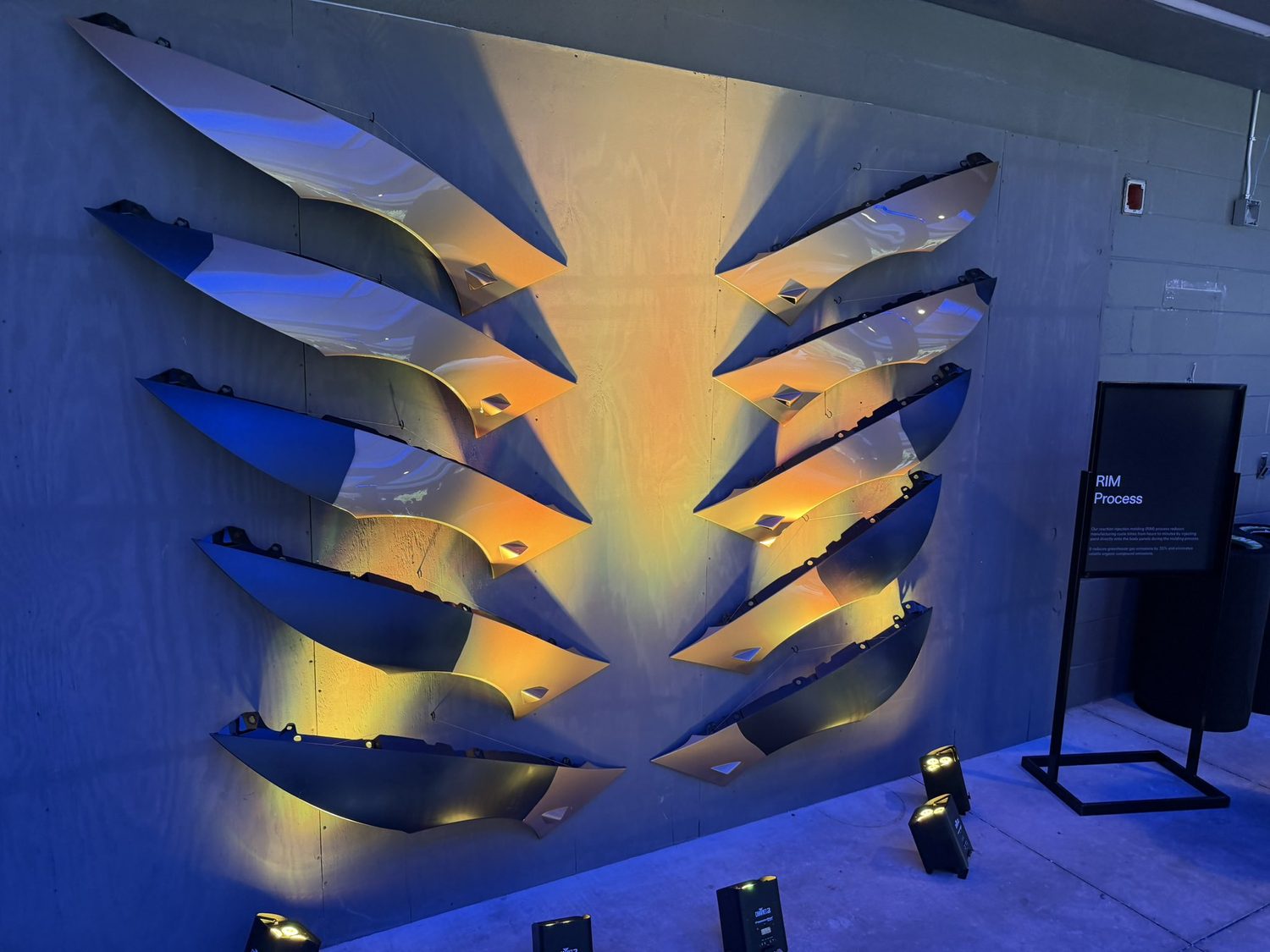
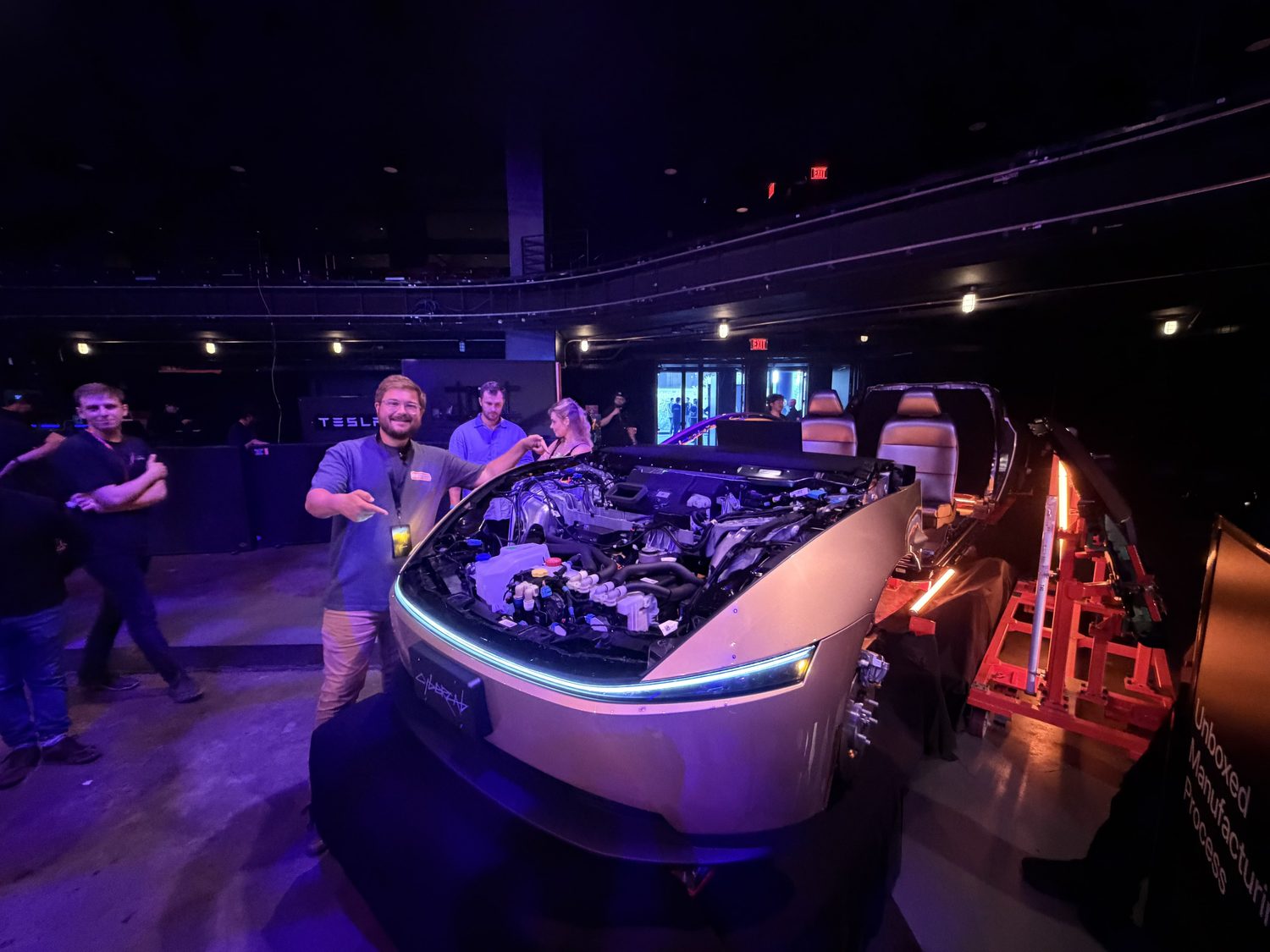
Tesla has pushed the unboxed manufacturing concept to its logical extreme with the Cybercab. Body panels are produced via Reaction Injection Molding (RIM), a process that injects paint directly into the mold. Cycle times collapse from hours to mere minutes, greenhouse-gas emissions drop 35 %, and massive amounts of recycled material can be incorporated. Combined with modular sub-assembly lines that enable fully automated, sub-10-second station times, the Cybercab is purpose-built for the multi-million-unit robotaxi fleets of the future.
Brake-by-Wire & Electric Architecture
Perhaps the most radical chassis innovation is the complete elimination of hydraulic braking. Individual electric actuators sit at each caliper. There are no brake lines, no fluid, and no master cylinder. The result is simpler packaging that enables the unboxed process, lower maintenance, and instantaneous, software-defined braking response. Elon Musk himself highlighted the advantage: “Having electric brakes avoids the complexity of a hydraulic system: no need to rout plumbing all around the car.”
Drive Unit & Powertrain Efficiency
The Cybercab’s front-drive unit features a simplified bar-wound stator and optimized lubrication system. It is 18 % smaller and 25 % lighter than previous high-performance Tesla units while remaining free of rare-earth magnets—yet range is unchanged. A tall gear ratio and extensive NVH work keep cabin noise exceptionally low. The 48 V architecture further reduces copper mass and improves efficiency across all low-voltage systems.
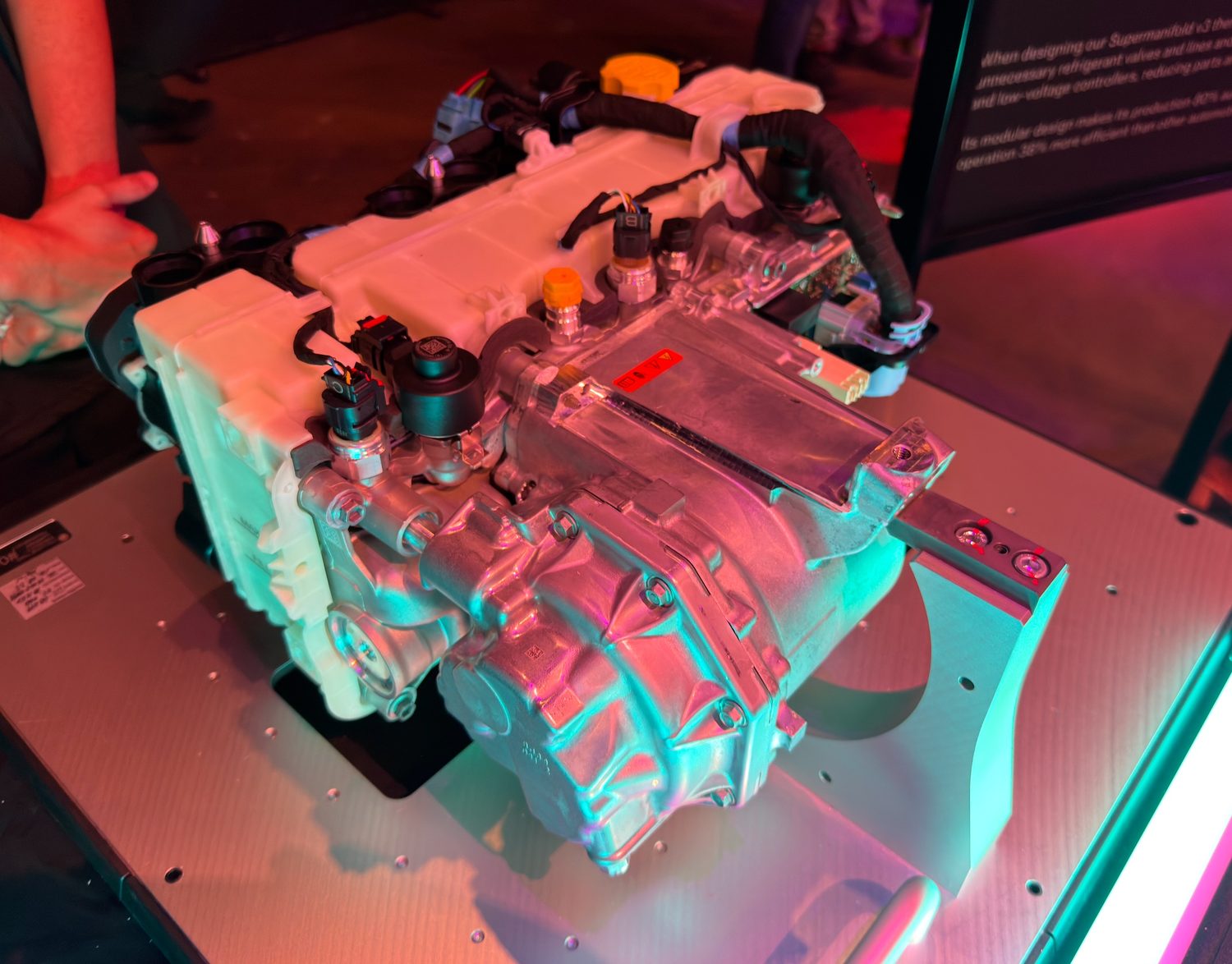
Thermal System: Supermanifold V3
Cybercab debuts Tesla’s third-generation Supermanifold. Unnecessary refrigerant valves and lines have been deleted, high- and low-voltage controllers consolidated, and the entire module designed for 80 % automated assembly. Real-world operation is 38 % more efficient than previous automotive thermal systems—critical for maximizing range and minimizing energy use during continuous robotaxi duty cycles.
Sensor Suite & Cabin Intelligence
Nine cameras (eight exterior, one cabin) plus a dedicated cabin radar form the sensory backbone. The cabin camera checks for cleanliness and lost items between rides; the radar acts as an advanced Occupant Classification System that decides whether front airbags should deploy. Mechanical door releases remain functional even if electrical power is lost—an elegant safety redundancy.
Starlink V5 & Charging Strategy
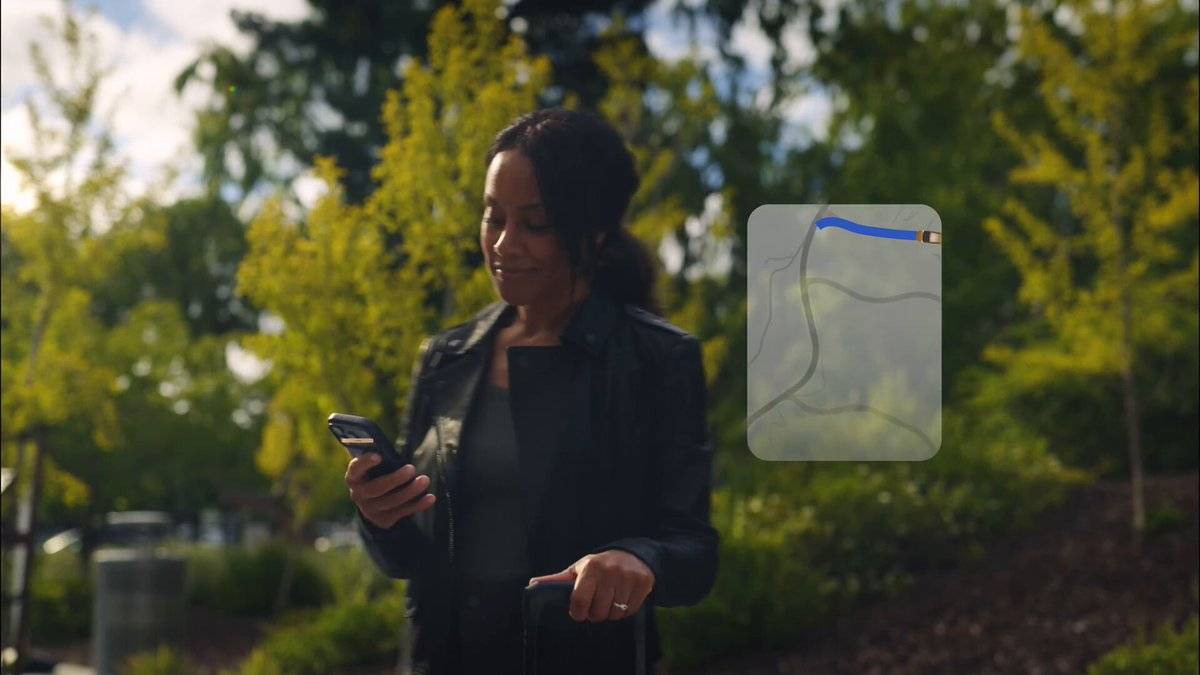
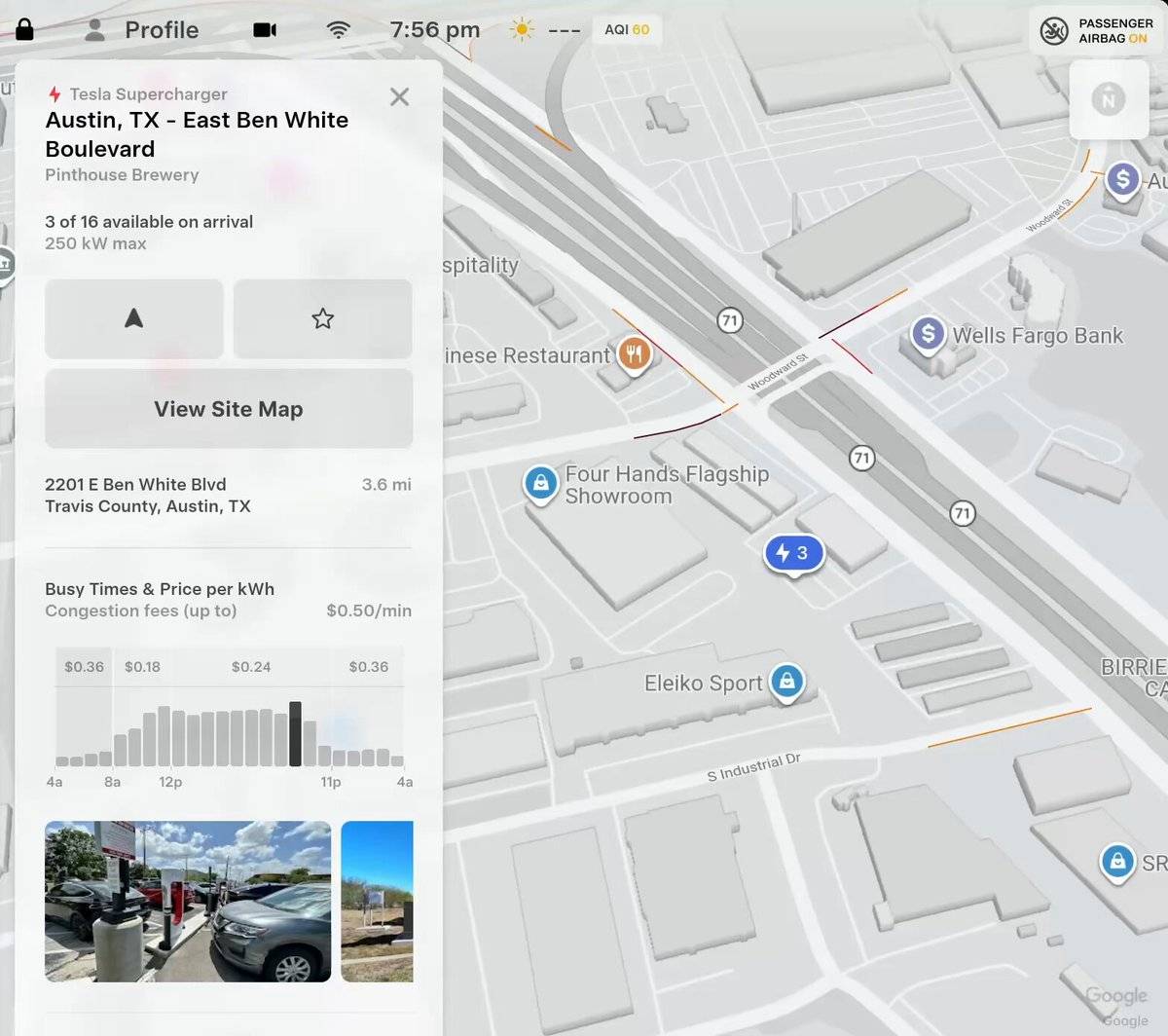
Starlink V5 hardware will be native, delivering high-bandwidth connectivity for both vehicle operations and passenger entertainment even in cellular dead zones. On the energy side, Tesla is already mapping public Superchargers into robotaxi routing while simultaneously deploying dedicated back-to-back Robotaxi Superchargers on low-cost real estate. Passenger vehicles retain priority; robotaxis flex around utilization patterns—exactly the kind of systems-level thinking required for fleet-scale economics.
Latest News & X Highlights
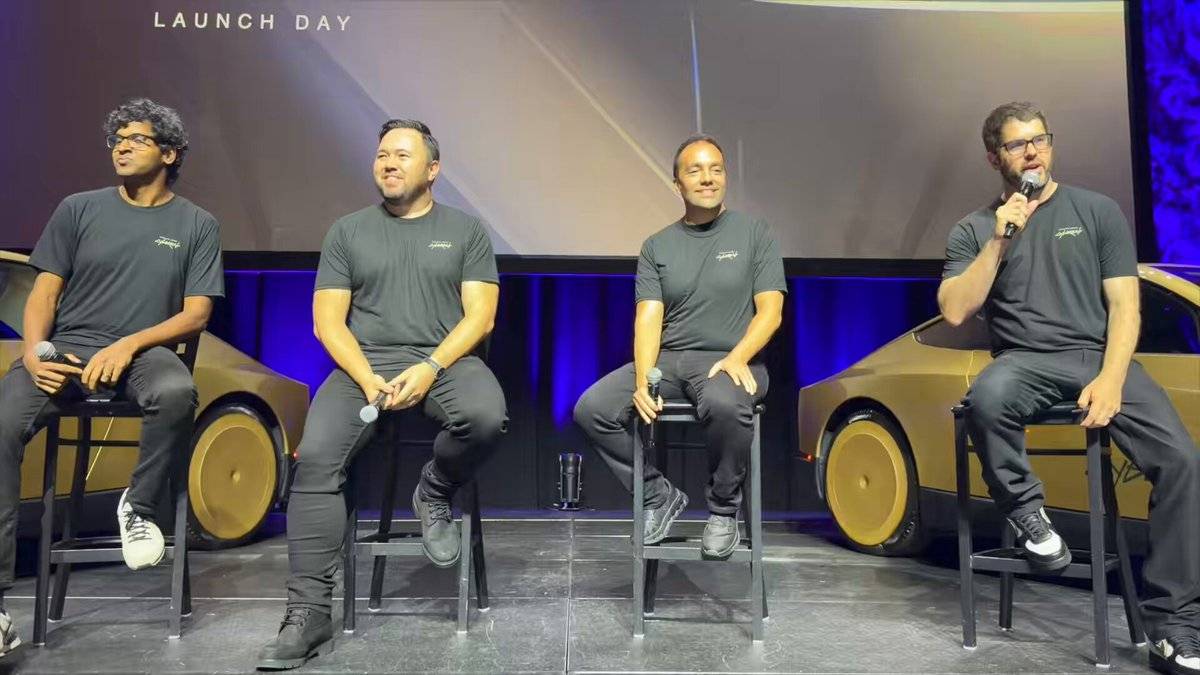
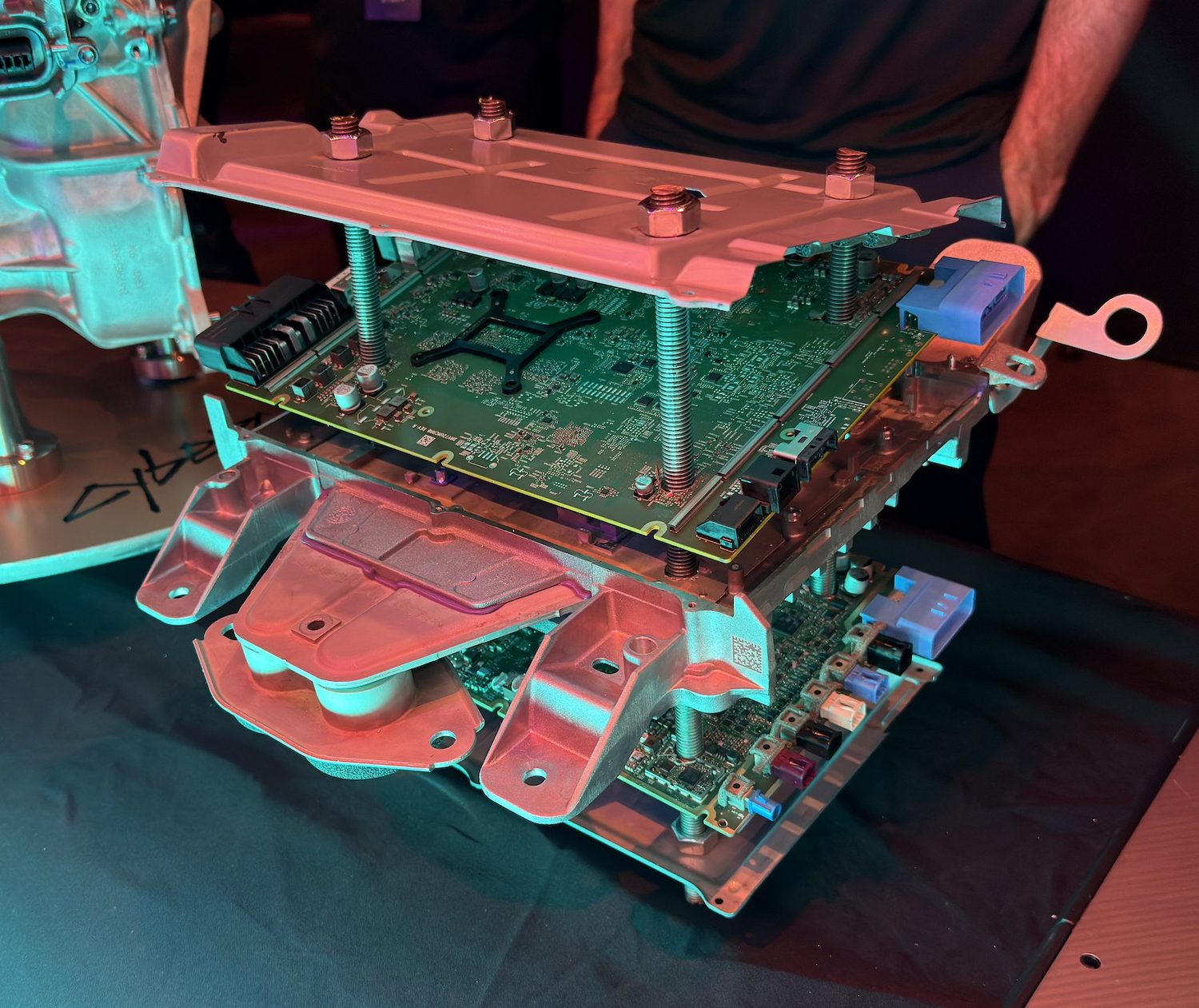
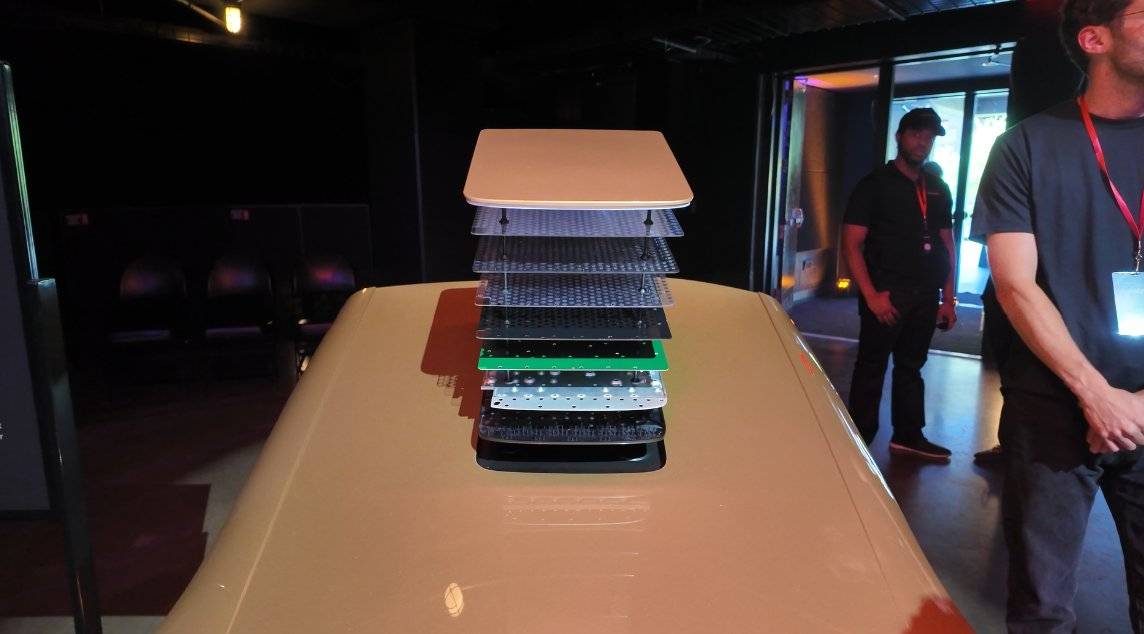
The Cybercab launch event presentation and subsequent tutorial video gave the world its first extended look at the production vehicle in motion. Rider experience footage shows buttery-smooth exits and an interior that feels more lounge than traditional car. Hardware close-ups of the compute unit and exploded views of Starlink integration further underscored how deeply the vehicle has been re-architected.
Even the concurrent FSD Supervised v14.3.9 rollout—featuring proactive intervention when an imminent collision is detected or the driver is heavily distracted—underscores Tesla’s broader safety push that will ultimately feed into unsupervised Cybercab operations.
Real-world Applications & Implications
With a drag coefficient under 0.2, a 500,000-mile battery, and manufacturing costs driven relentlessly downward, the Cybercab is engineered for the highest possible utilization. Cities can deploy dense fleets that charge opportunistically at night on existing Superchargers or at dedicated low-capex sites. Passengers gain a private, theater-like space with Unreal Engine visuals, personal climate and media preferences pre-loaded, and Starlink connectivity that never drops. For Tesla, every technical choice—no rare earths, no brake fluid, RIM panels, unboxed lines—compounds into lower lifetime cost and higher margins at robotaxi scale. The vehicle is not merely an autonomous car; it is the foundational unit of a new urban mobility layer.
Final Verdict
The Tesla Cybercab is the most thoroughly re-thought vehicle Tesla has ever designed. Every subsystem—from the rare-earth-free motor and fluid-free brakes to the RIM body and Starlink V5 modem—exists to maximize safety, efficiency, and cost at fleet scale. The numbers are real, the manufacturing breakthroughs are measurable, and the passenger experience is already being praised as sublime. As unsupervised robotaxi miles accumulate and dedicated Supercharger networks expand, the Cybercab is poised to rewrite the economics of personal transportation. The future just arrived on four wheels—and it doesn’t even need a driver.