

Rocket Lab has just secured regulatory approval from Germany’s Federal Ministry for Economic Affairs and Energy to acquire Mynaric, a leading developer of laser communication terminals. This move marks a significant step in Rocket Lab’s vertical integration strategy, positioning the company to deliver high-speed optical data links at scale for both commercial and government satellite constellations.
In this comprehensive review, we break down the technical implications, strategic benefits, and future outlook of the acquisition. From laser comms fundamentals to Rocket Lab’s growing backlog, this deal could reshape how data moves in orbit.
Background: Rocket Lab’s End-to-End Space Ambitions
Rocket Lab has evolved from a small launch provider into a full-spectrum space systems company. With the Electron rocket, the upcoming Neutron medium-lift vehicle, and in-house spacecraft manufacturing, the company already controls much of the satellite value chain. The Mynaric acquisition adds critical optical communications hardware to that portfolio.
- Over 50 successful Electron launches to date
- $1.3 billion in prime Space Development Agency (SDA) contracts for 36 defense satellites
- Established satellite production facilities in California and New Zealand
- Expanding presence in the U.S. and now Europe via the Mynaric deal
This acquisition aligns perfectly with Rocket Lab’s mission to provide complete, vertically integrated space solutions — from launch to on-orbit operations.
Who Is Mynaric and What Do They Bring to the Table?
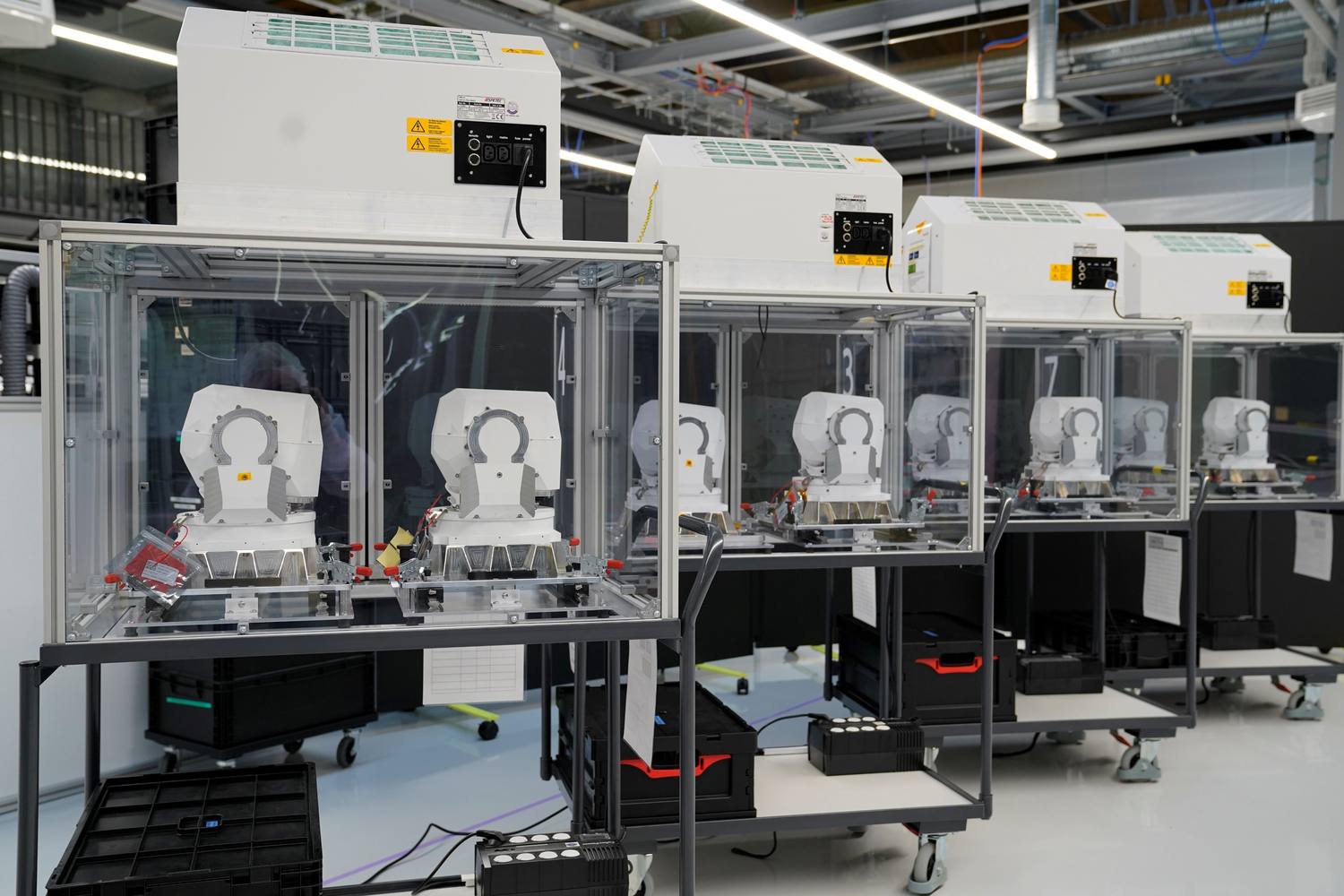
Mynaric specializes in laser-based optical communication systems designed specifically for space applications. Their flagship products, including the CONDOR Mk3 optical terminals, enable high-bandwidth, low-latency data transmission between satellites, ground stations, and even aircraft.
- Space-qualified laser terminals with proven flight heritage
- Capabilities for inter-satellite links (ISL) and space-to-ground links
- Support for data rates reaching multiple gigabits per second
- Compact, lightweight designs suitable for small satellites and large constellations
- Manufacturing base in Munich, Germany — providing Rocket Lab its first major European footprint
By bringing Mynaric’s technology in-house, Rocket Lab eliminates reliance on third-party suppliers for one of the most critical components in modern satellite constellations.
Technical Deep Dive: Why Laser Communications Matter
Traditional radio frequency (RF) communications face spectrum congestion, limited bandwidth, and security vulnerabilities. Laser (optical) communications solve these issues through highly directional beams that operate in the infrared spectrum.
- Bandwidth Advantage: Optical links can deliver 10–100x higher data rates than RF — often exceeding 10 Gbps per terminal
- Security: Extremely narrow beam divergence makes interception nearly impossible without precise alignment
- Power Efficiency: Lower size, weight, and power (SWaP) requirements compared to high-power RF systems
- No Spectrum Licensing: Operates outside crowded RF bands, avoiding regulatory hurdles
- Low Latency: Near-instantaneous point-to-point connections ideal for real-time Earth observation and defense applications
These capabilities are essential for mega-constellations like those planned by the SDA, where satellites must rapidly relay massive amounts of sensor data across global networks.
Strategic Impact: Vertical Integration and Market Positioning
The deal directly supports Rocket Lab’s existing backlog and future growth. With 36 SDA satellites already under contract, integrating Mynaric’s CONDOR Mk3 terminals ensures supply chain security and accelerates production timelines.
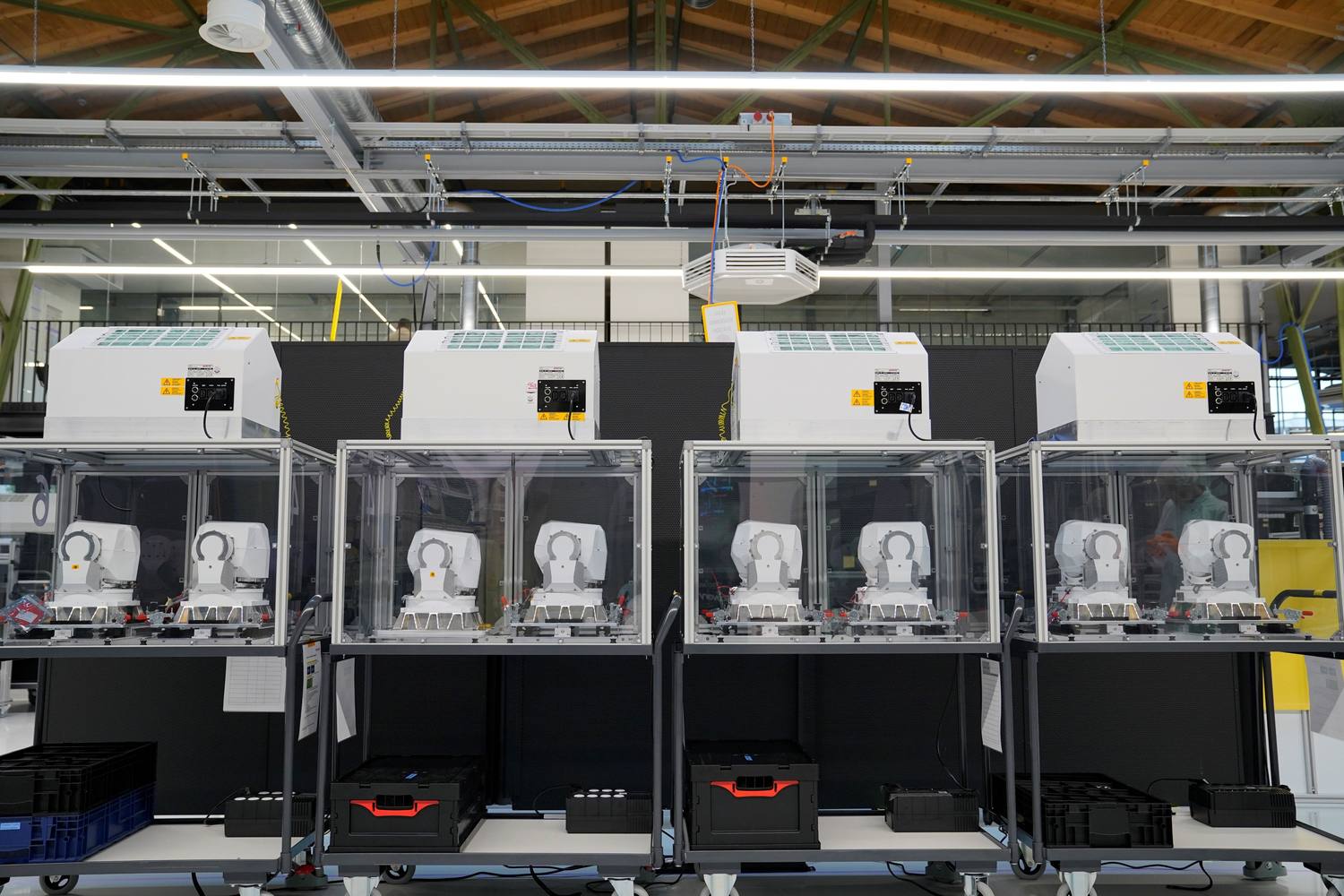
- De-risks delivery of high-value defense contracts
- Enables volume production of optical terminals at competitive pricing
- Establishes European manufacturing presence for faster market access
- Positions Rocket Lab as a one-stop shop for satellite customers demanding laser comms
- Opens new revenue streams through terminal sales to third-party constellation operators
Analysts see this as a textbook example of vertical integration that strengthens Rocket Lab’s competitive moat against larger players in the space sector.
Potential Challenges and Risks
While the acquisition is highly positive, integration risks remain. Combining engineering teams across continents, aligning manufacturing processes, and scaling production to meet constellation demand will require careful execution.
- Cultural and operational integration between U.S./New Zealand and German teams
- Regulatory and export control considerations for dual-use laser technology
- Ensuring Mynaric’s technology meets stringent U.S. defense requirements
- Capital allocation — the transaction must deliver rapid ROI to justify the investment
Rocket Lab’s track record of rapid iteration and successful acquisitions suggests these challenges are manageable.
Future Outlook: Laser-Enabled Constellations at Scale
With the transaction expected to close in April 2026, Rocket Lab is poised to become a leader in optical communications hardware. This positions the company at the forefront of the next generation of space infrastructure — where data velocity and security are as critical as launch cadence.
For investors, customers, and space enthusiasts, this is more than an acquisition; it’s a foundational step toward building the high-bandwidth backbone of tomorrow’s orbital economy.