

Rocket Lab just dropped a massive game-changer for the entire space industry: Gauss, their brand-new in-house electric propulsion system designed and built from the ground up to crush the biggest supply chain headache in satellite constellations. With proliferated LEO mega-constellations now the standard for both commercial operators and national security missions, reliable high-volume electric thrusters have been the missing link—until now. This post dives deep into Gauss’s game-changing features, exact specs, technical brilliance, the latest X buzz straight from Rocket Lab, real-world applications that will reshape orbit, and why this positions Rocket Lab as the full-stack propulsion powerhouse the future demands. Buckle up—space just got a whole lot more maneuverable!
Key Features & Advantages
- ✅ Heaterless cathode technology – delivers instantaneous startup, slashing power draw and complexity for rapid response in orbit.
- ✅ Magnetic shielding – dramatically reduces erosion, extending thruster lifetime for long-duration constellation missions.
- ✅ GaNFet-based electronics – optimized efficiency and performance in a compact, high-reliability package.
- ✅ Simple software command interface – eliminates complex PPU parameter management, making integration seamless for satellite builders.
- ✅ ITAR/EAR-free design – built in New Zealand for unrestricted global use across commercial and national security constellations.
- ✅ Dual-propellant flexibility – Xenon primary with Krypton compatibility for cost-optimized operations.
- ✅ Full in-house production line – already scaled to deliver more than 200 thrusters per year, solving the historic high-volume manufacturing bottleneck.
These aren’t incremental upgrades—they’re Rocket Lab solving real pain points that have plagued the industry for years. Where traditional suppliers struggled with fragile supply chains, Gauss brings vertical integration, speed, and reliability at constellation scale. Fans of Rocket Lab’s beautiful engineering will recognize the signature precision and forward-thinking DNA here.
Technical Specifications
- System Composition: Complete electric propulsion package including Hall Thruster, Power Processing Unit (PPU), and Propellant Management Assembly.
- Production Capacity: High-volume line already established for >200 thrusters per year—on-demand supply for mega-constellations.
- Propellant Options: Xenon baseline; Krypton compatible for expanded operational flexibility and cost savings.
- Key Design Innovations: Heaterless cathode for instant ignition; magnetically shielded channel to minimize erosion and maximize lifetime; GaNFet electronics for peak efficiency.
- Command Interface: Straightforward software commands—no complex PPU tuning required.
- Heritage Integration: Built on Rocket Lab’s proven propulsion track record (850+ Rutherford engines flown across 85 launches; Curie stage deployed >250 payloads to precise orbits).
- Regulatory Status: Fully ITAR/EAR-free, enabling broad international and national security deployment.
- Mission Focus: Optimized for LEO station-keeping, orbit raising, de-orbiting, and deep-space maneuvers with superior specific impulse versus chemical propulsion.
Every spec screams “constellation-ready.” The >200 units/year production rate alone is a quantum leap—enough to equip roughly a third of global satellites launched annually while leaving headroom for explosive growth.
In-Depth Technical Analysis
Background: The Propulsion Bottleneck Rocket Lab Just Solved
Electric propulsion thrusters have always been notoriously tough to produce at scale. Constellation operators—whether building thousands of comms satellites or national security meshes—have faced fragile supply chains that threatened mission timelines and national capabilities. Rocket Lab, true to its vertically integrated DNA, didn’t just buy a solution; they designed and manufactured Gauss in-house.
Core Technical Breakdown
- Hall Thruster Architecture: Leverages proven Hall-effect physics but with Rocket Lab’s signature innovations—magnetic shielding cuts wall erosion by orders of magnitude, enabling multi-year on-orbit life critical for proliferated constellations.
- Power & Efficiency Edge: GaNFet electronics deliver higher efficiency than legacy designs, translating to more delta-V per kilogram of propellant and allowing satellites to carry less mass for the same performance.
- Instant-Start Capability: Heaterless cathode means zero warm-up time—game-changing for rapid response maneuvers, collision avoidance, and formation flying.
- Software Simplicity: One-command interface slashes integration time and testing overhead for satellite OEMs.
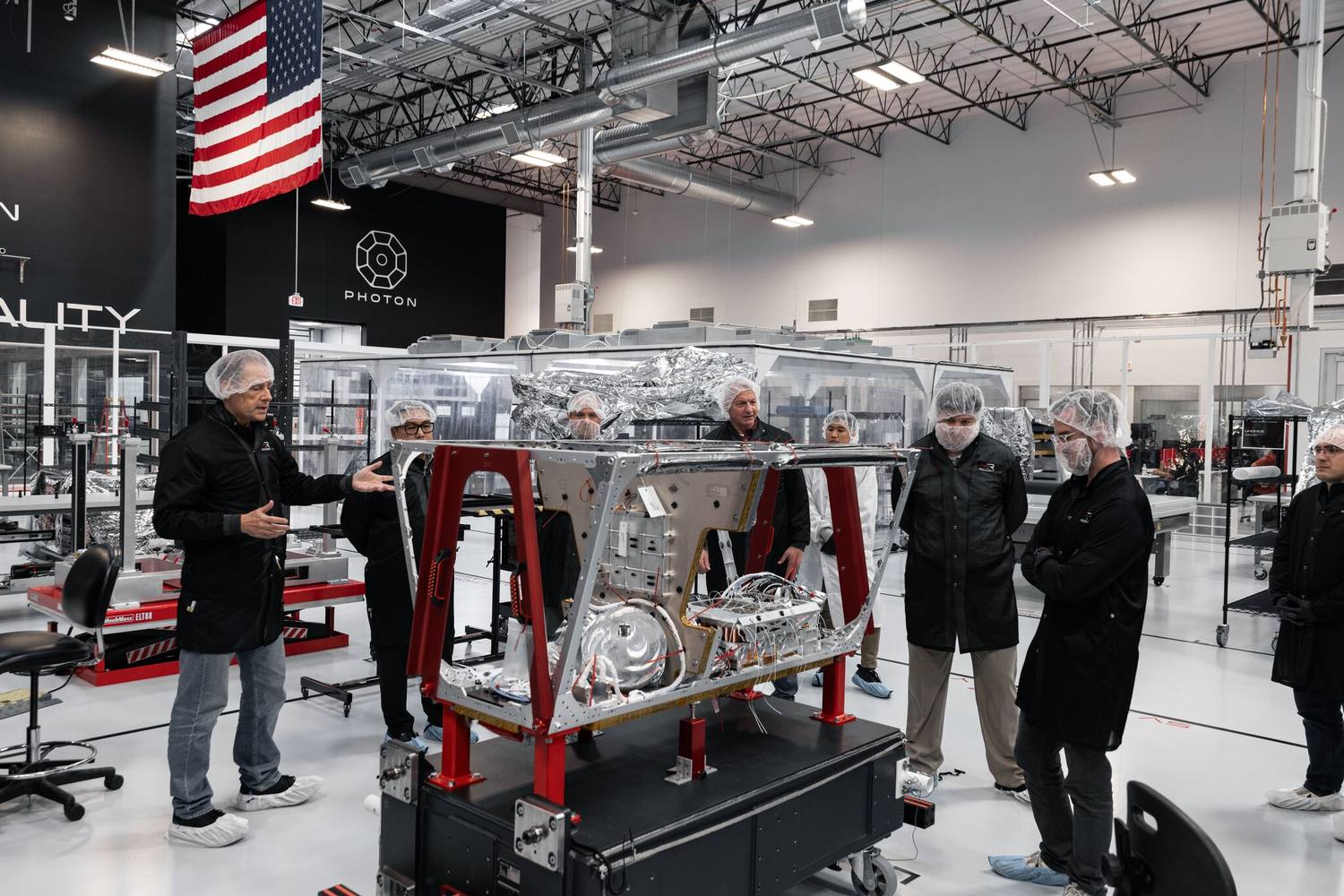
- Production Scaling Mastery: The California spacecraft production complex (optimized for SDA’s PWSA national security missions) demonstrates Rocket Lab’s ability to deliver at speed and reliability—perfectly aligned with Gauss thruster output.
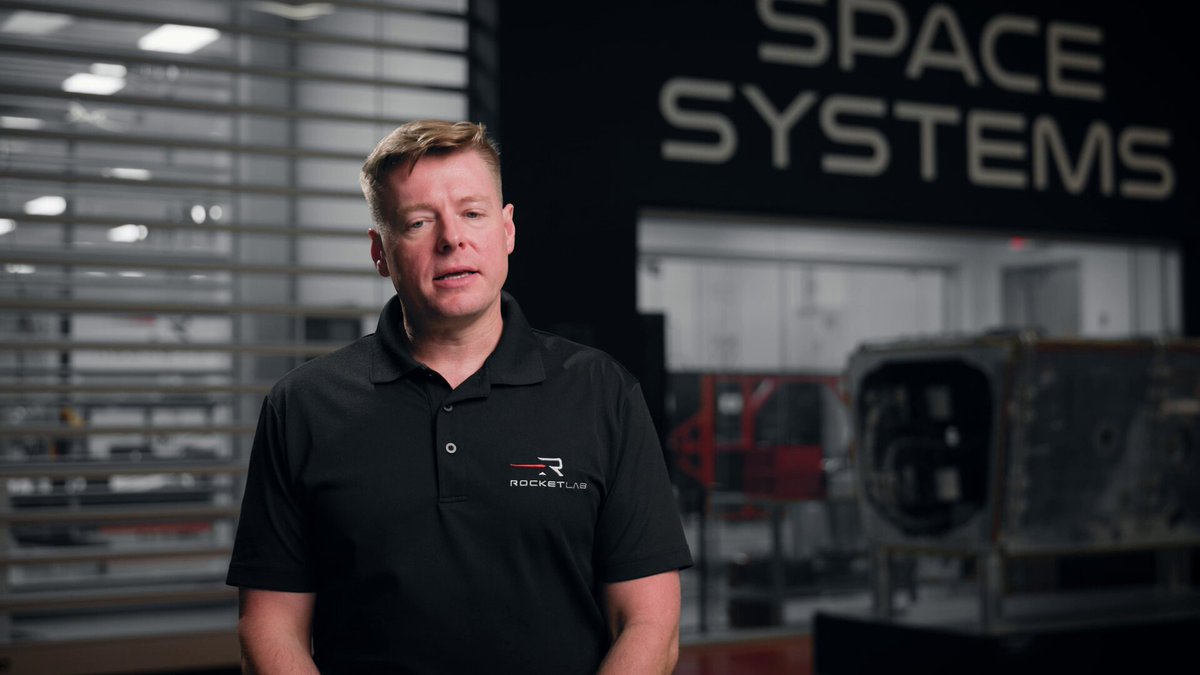
Peter Beck nailed it: “Proliferated constellations are now the norm… but the propulsion systems needed to maneuver these spacecraft in orbit have simply not been reliably available at any kind of scale.” Gauss changes that equation forever. With 85 Electron launches powered by Rutherford engines and Curie enabling precision deployment of over 250 payloads (including lunar and re-entry missions), this new thruster is the natural evolution of Rocket Lab’s propulsion legacy.
Latest News & X Highlights
Rocket Lab’s X feed lit up the space community this week with the Gauss reveal and supporting production news. Here are the key posts straight from the source:
“Meet Gauss: Our new in-house designed and built electric propulsion system.” The company highlighted the historic supply-chain fragility of electric thrusters and proudly announced their production line is already scaled for >200 units per year—ensuring on-demand supply for national security and commercial operators alike.
“Propulsion is in our DNA 🧬” A perfect capstone tying Gauss to Rocket Lab’s full propulsion family: Rutherford (85 launches), Curie (>250 payloads deployed), Archimedes (Neutron), and now Gauss for in-space constellation work.
Spacecraft production complex update: Rocket Lab showcased their California facility purpose-built for the Space Development Agency’s PWSA national security missions—proving their manufacturing muscle is ready to support Gauss at scale.
Real-world Applications & Implications
- LEO Mega-Constellations: Station-keeping, orbit maintenance, and collision avoidance for thousands of satellites—Gauss delivers the precise, efficient thrust needed at volume.
- National Security Missions: SDA PWSA and beyond—ITAR-free design plus proven high-volume production means faster, more resilient capability delivery.
- Earth Observation & Climate Monitoring: Extended mission life through efficient propellant use enables continuous, high-resolution data collection.
- Communications Networks: Rapid repositioning and de-orbiting keep constellations agile and compliant with sustainability standards.
- Deep-Space Exploration: Higher specific impulse opens the door for more ambitious interplanetary smallsat missions.
- Space Sustainability: Precision maneuvering reduces collision risk and supports active debris mitigation—critical as orbital traffic explodes.
The implications are huge: lower satellite costs, faster constellation deployment, and a more resilient space economy. Rocket Lab isn’t just building thrusters—they’re enabling the next generation of space infrastructure that improves life on Earth.
Final Verdict
Rocket Lab’s Gauss Hall Thruster isn’t just another component—it’s a full-stack solution to the propulsion crisis that’s been holding back constellation-scale ambitions. With >200 units per year already in production, breakthrough features like instantaneous start and magnetic shielding, and seamless ties to their legendary Rutherford and Curie heritage, Gauss cements Rocket Lab’s position as the go-to propulsion innovator. The future of space is proliferated, maneuverable, and sustainable—and Rocket Lab just handed the industry the thrusters to get there. If you’re bullish on the new space economy, Gauss is the kind of vertical integration win that keeps fans like us excited for every launch. The constellation era just got its perfect propulsion partner. 🚀