

Tesla just dropped their Q1 2026 Shareholder Update, and it’s packed with exciting progress across AI infrastructure, autonomous driving, energy storage, and the future of robotics. From beating earnings expectations to ramping critical factories for Cybercab, Optimus, and next-gen compute, this quarter highlights Tesla’s unique position at the intersection of electric vehicles, clean energy, and artificial intelligence. In this in-depth review, we’ll break down the key highlights, technical advancements, real numbers from the report, and what it all means for the road ahead.
Fans and investors alike have been eagerly awaiting updates on Robotaxi deployment, FSD improvements, and Optimus production scaling — and Tesla delivered a comprehensive overview showing steady, meaningful progress toward an autonomous and robotic future.
Key Features & Advantages
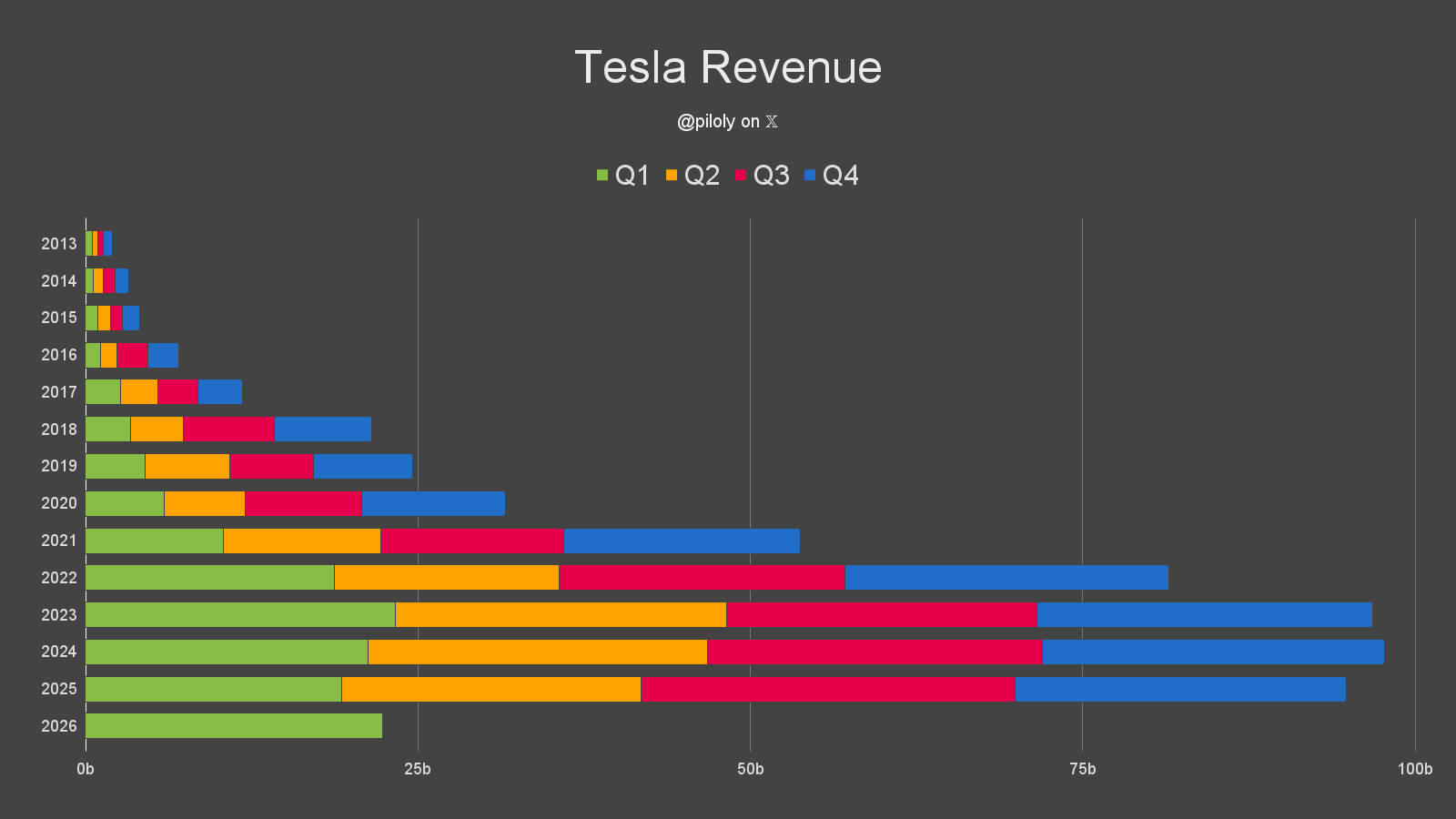
- ✅ Record financial performance with revenue of $22.39B (+16% YoY) and adjusted EPS of $0.41, beating estimates.
- ✅ Strong free cash flow of $1.44B despite heavy investments in AI and future production lines.
- ✅ Significant progress on Robotaxi infrastructure, with paid Robotaxi miles nearly doubling sequentially.
- ✅ FSD 14.3 launch featuring upgraded reinforcement learning, enhanced vision encoder, and 20% reduced inference latency for faster reactions.
- ✅ Preparations underway for massive Optimus production scaling, targeting 1M robots/year initially and up to 10M long-term.
- ✅ Vertical integration in batteries, chips, and energy, including new Megapack 3 lines and in-house solar panels.
Technical Specifications
- Financials: Revenue $22.387B (+15.8% YoY), Gross Margin 21.1% (+478 bps YoY), Free Cash Flow $1.44B, Cash & Equivalents record $44.7B.
- Vehicle Production & Deliveries: 408,386 vehicles produced (+13% YoY), 358,023 delivered (+6% YoY).
- FSD & Autonomy: Active FSD subscriptions/users reached 1.28 million (+51% YoY or +16.4% growth mentioned in community), Paid Robotaxi miles nearly doubled QoQ.
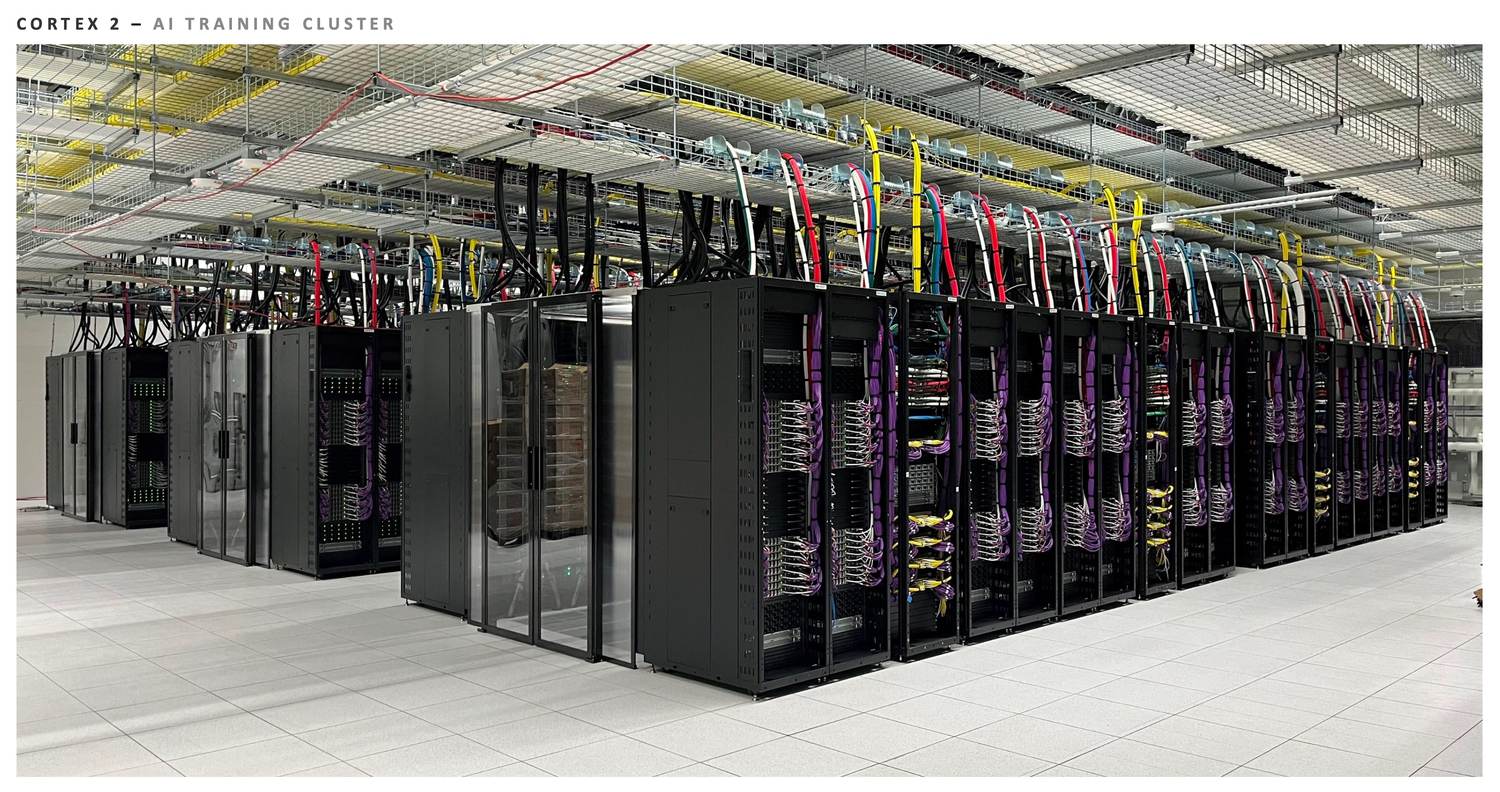
- AI Compute: Cortex 2 online running training workloads; Dojo 3 in development for lower training costs; AI5 inference processor final chip design completed in April.
- Charging Infrastructure: V4 Supercharging cabinets with 3x power density and 2x stalls vs V3; Over 2,200 new Supercharger stalls added (network +19% YoY); Megachargers deploying alongside Semi.
- Robotics: First large-scale Optimus factory line designed for 1M robots/year (replacing Model S/X in Fremont); Second-gen line at Giga Texas targeting 10M robots/year long-term.
- Energy: New Megafactory in Houston for Megapack 3; Record energy gross margin of 39.5%; In-house solar panel deployments started.
In-Depth Technical Analysis
Q1 Financial Strength Amid Future Investments
Tesla reported solid Q1 results that exceeded Wall Street expectations on multiple fronts. Revenue came in at $22.39 billion, beating estimates of around $22.2B, while adjusted EPS hit $0.41 against lower forecasts. Gross margins expanded nicely to 21.1%, and free cash flow reached a healthy $1.44B — a stark contrast to some pessimistic predictions of negative cash flow due to capex.
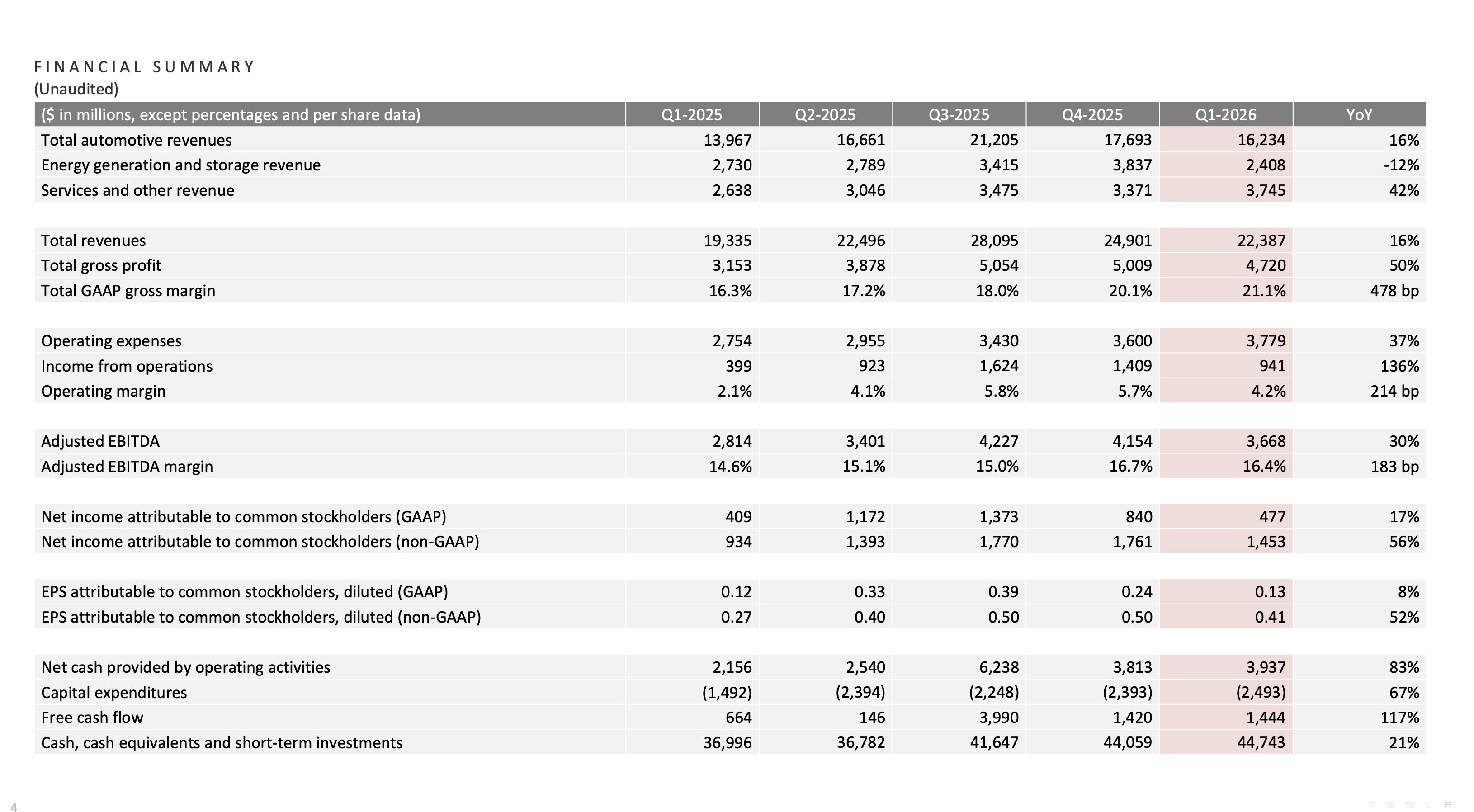
This performance came even as automotive volumes faced some headwinds, showcasing the growing contribution from energy storage and services. Energy generation and storage delivered impressive margins, hitting a record 39.5% in the quarter.
AI & Compute Infrastructure Ramp
A major theme in the update is Tesla’s aggressive build-out of AI training and inference capabilities. Cortex 2 is now online and handling training workloads, while on-site infrastructure continues to expand. The company is also pushing custom silicon with Dojo 3 to drive down training costs over time.
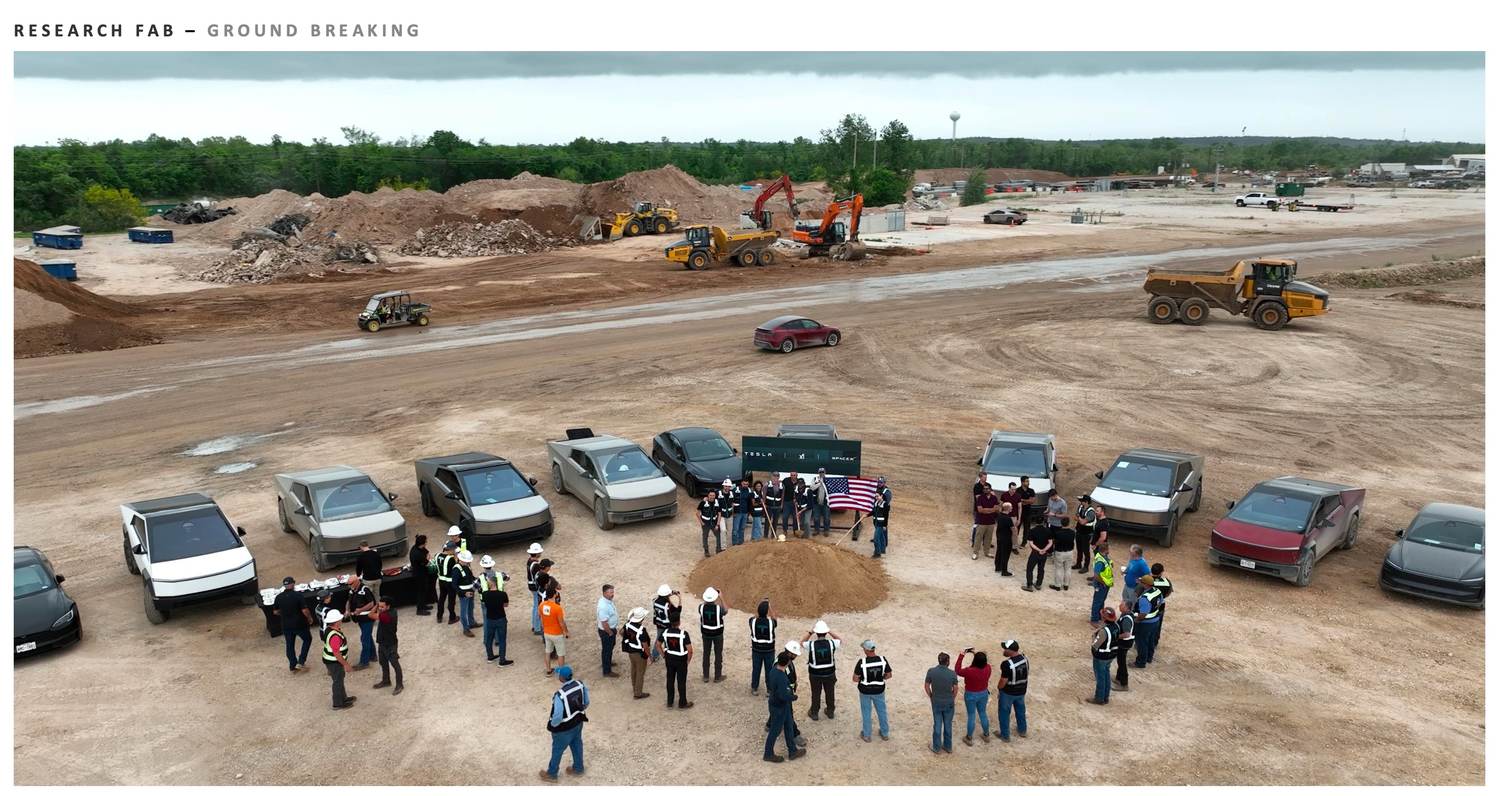
- Partnership with SpaceX to build the largest chip fab ever, integrating logic, memory, and advanced packaging for rapid iteration.
- AI5 (next-gen inference processor) final chip design completed in April.
- Expansion into semiconductor fabrication to secure resilient chip supply for Robotaxi and Optimus.
Autonomy & FSD Advancements
FSD 14.3 launched in April with key upgrades: enhanced reinforcement learning for long-tail edge cases, sharper perception in low-visibility via improved neural network vision encoder, and a rewritten AI compiler that cuts inference latency by 20%. These changes translate to faster reaction times and better handling of complex scenarios — critical steps toward unsupervised autonomy for both customer vehicles and the Robotaxi fleet.
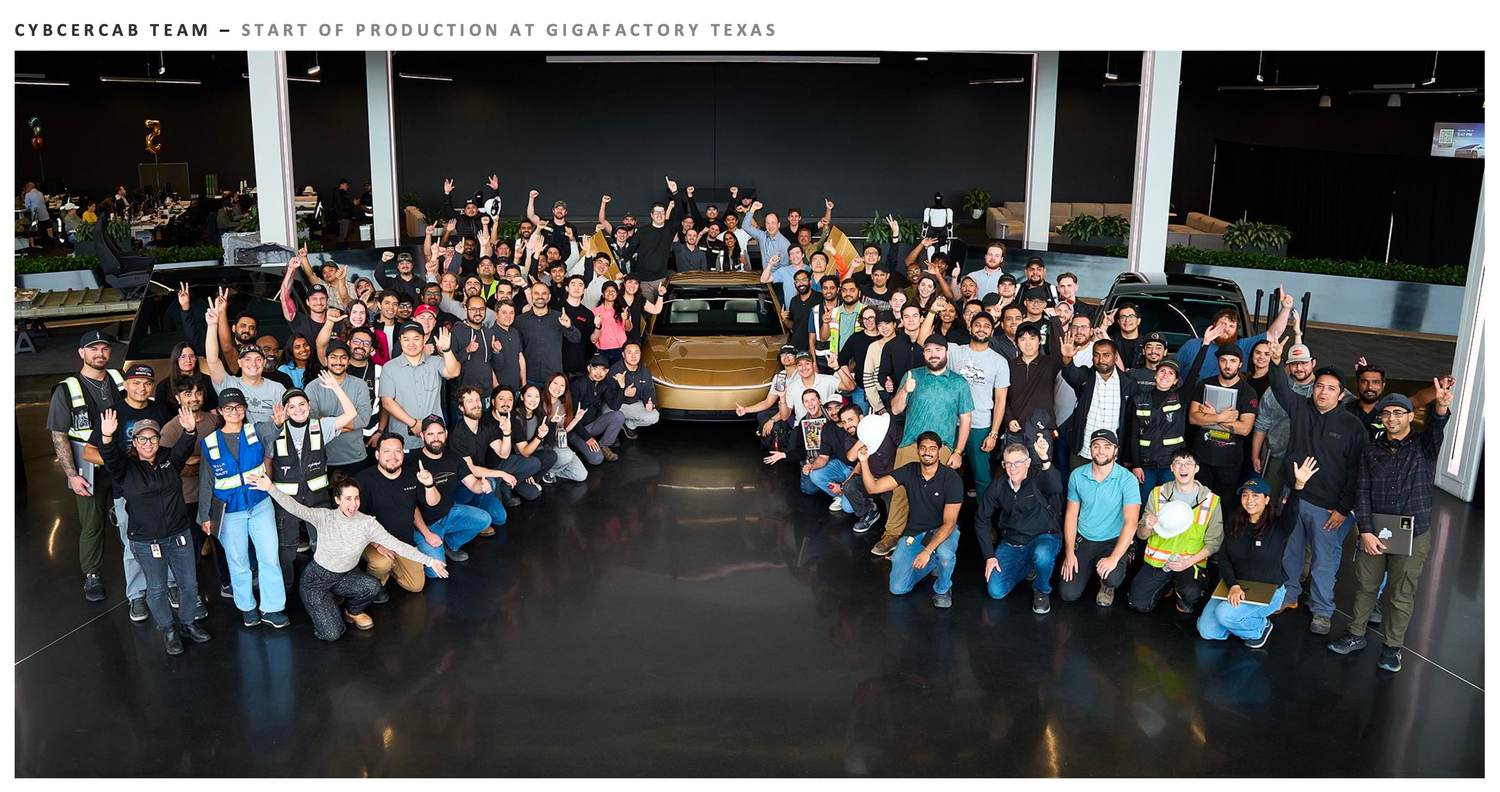
Robotaxi operations expanded with unsupervised ops in Austin and new launches in Dallas and Houston. Paid miles nearly doubled sequentially, while Cybercab is positioned to eventually become the highest-volume vehicle in the fleet.
Robotics & Production Scaling
Preparations for the first large-scale Optimus factory begin in Q2. The initial line in Fremont targets 1 million robots per year, while Giga Texas readies a second-gen line with long-term capacity of 10 million robots annually. This vertical integration extends to batteries, with new LFP cell production in Nevada, cathode materials and lithium refining in Texas, and 4680 cell deployment at Giga Berlin to alleviate supply constraints.
Latest News & X Highlights
The X community reacted enthusiastically to Tesla’s update, highlighting the beats on revenue, EPS, margins, and cash flow while noting ambitious plans for Cybercab, Semi, and Megapack 3 volume production this year.
Community posts emphasized the strong gross margin expansion, record energy margins, and the fact that capex came in lower than some feared, contributing to positive free cash flow. Discussions also focused on the infrastructure build-out supporting Robotaxi and future robotics businesses.
Real-world Applications & Implications
These advancements have broad implications. For consumers, improved FSD and eventual unsupervised autonomy mean safer, more convenient transportation with potential insurance savings via Safety Score v3.0. Robotaxi services in expanding cities could transform urban mobility, offering affordable, on-demand rides without drivers.
In energy, Megapack 3 and new solar deployments strengthen grid stability and renewable integration. Optimus robots hold promise for manufacturing, logistics, and even household assistance, potentially addressing labor shortages while boosting productivity.
Vertically integrated supply chains and regionalization help mitigate geopolitical risks, ensuring resilient production of vehicles, energy products, and AI hardware worldwide.
Final Verdict
Tesla’s Q1 2026 update paints a picture of a company firing on all cylinders — delivering strong financial results today while aggressively investing in the transformative technologies of tomorrow. The progress on AI software, compute infrastructure, Robotaxi operations, and robotics scaling positions Tesla uniquely for exponential growth in autonomy and humanoid applications.
With Cybercab and Semi volume production targeted for this year, Optimus factory ramps starting soon, and continued FSD enhancements, the future looks incredibly bright. Tesla isn’t just building cars or batteries — it’s constructing the foundational infrastructure for an abundant, autonomous, and AI-driven world.
Fans have every reason to be optimistic: the numbers are solid, the tech roadmap is accelerating, and the long-term vision remains unmatched. This is only the beginning of Tesla’s next chapter. Buckle up — the robotaxi and robotics era is coming faster than many realize! 🚀